
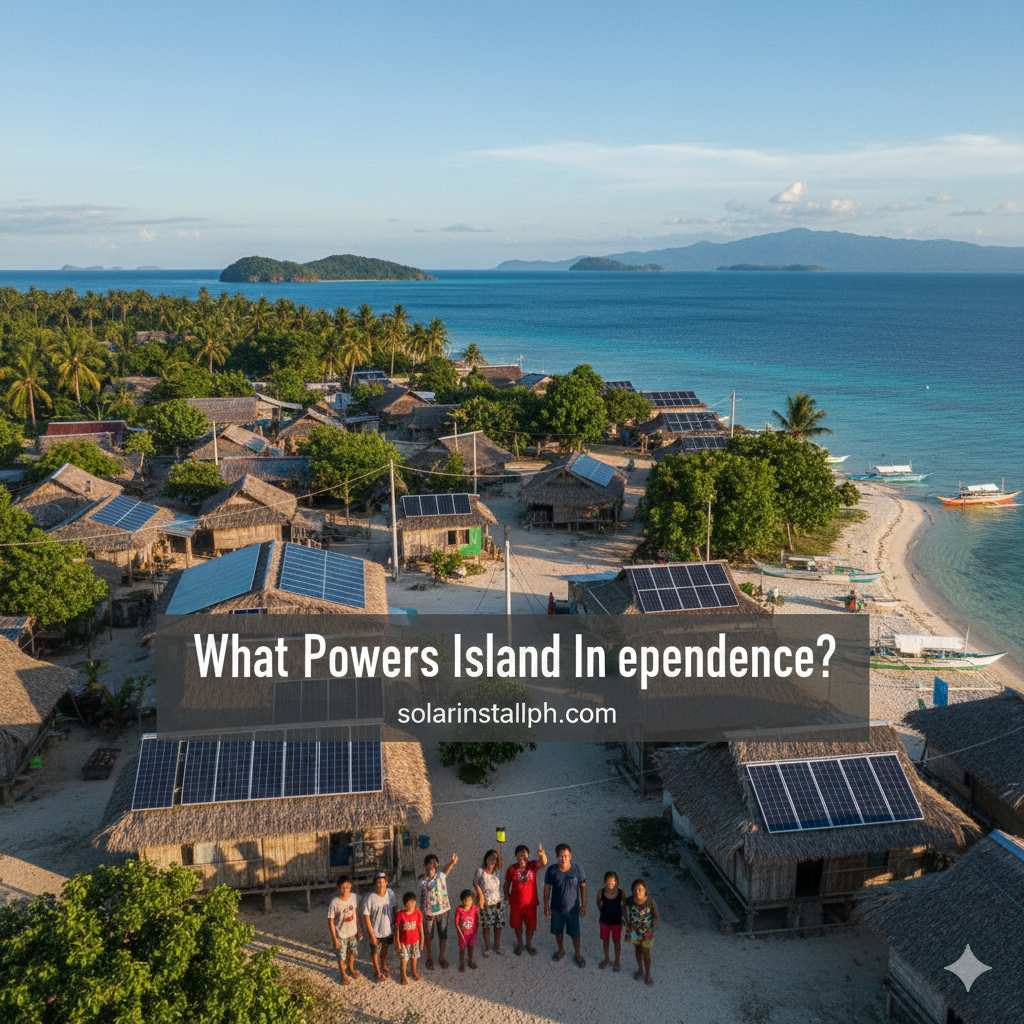
What Powers Island Independence?
In the Philippines, island life has historically been defined by two things: breathtaking natural beauty and the sound of a diesel generator. For decades, thousands of off-grid communities across our 7,641 islands have relied on the Small Power Utilities Group (SPUG) managed by the National Power Corporation (NPC). While this provided a lifeline, it was often a limited one—electricity for only four to six hours a night, high generation costs, and the constant risk of fuel supply disruptions due to rough seas.
As we move into 2026, the narrative is shifting. We are witnessing a transition from "missionary electrification" to "energy independence." The transition is powered by decentralized solar microgrids, a more robust regulatory framework, and a sharp decline in the cost of energy storage. Island independence today isn't just about light; it is about the economic freedom to run ice plants, power schools, and sustain tourism without being tethered to the fluctuating price of imported oil.
The End of the Diesel Era
The traditional model of powering remote Philippine islands was centered on Diesel Power Plants (DPPs). While effective for basic needs, diesel-based grids are inherently fragile. Transporting fuel to a remote island in the Visayas or Palawan can add up to 20% to the cost per liter due to logistics. Furthermore, these plants are often inefficient, leading to high unsubsidized electricity costs that can be up to six times higher than on-grid rates.
The turning point came with the realization that the Philippines has an average of 4.5 to 5.5 peak sunlight hours daily. By integrating solar PV into existing diesel grids—a process known as hybridization—islands can reduce their fuel consumption by 30% to 50% almost immediately. In 2026, the levelized cost of electricity (LCOE) for solar-battery-diesel hybrids is now significantly lower than pure diesel generation, offering a 20% average decrease in overall costs.
Microgrids: The Architecture of Pure Freedom
A microgrid is a self-sufficient energy system that can operate independently of the national grid. In the Philippine context, these are often "isolated microgrids" serving a single island or a cluster of barangays.
How Island Microgrids Work
Unlike a standard rooftop solar setup, an island microgrid must be "grid-forming." It uses advanced inverters to stabilize the frequency and voltage of the entire local network. The typical setup involves:
A Solar Array: Centralized ground-mount systems or distributed rooftop panels.
Battery Energy Storage Systems (BESS): Lithium-ion prices have fallen by 75% over the last decade, reaching under $90 per kWh in 2025. This allows islands to store midday sun for use during peak evening hours.
Smart Management Systems: These ensure that if the batteries run low during a prolonged storm, the diesel generator kicks in as a secondary backup.
The resilience of this architecture was recently demonstrated during the onslaught of Severe Tropical Storm Kristine. While traditional grids faced weeks of repairs, microgrids on Haponan, Lahuy, and Quinalasag islands in Camarines Sur resumed normal operations within 48 hours after the winds died down, providing uninterrupted power to over 3,000 residents. For many, the ability to maintain significant net metering savings while ensuring 24/7 power is the ultimate goal.
The Regulatory Engines: RA 11646 and Beyond
The true catalyst for this revolution is the Microgrid Systems Act (Republic Act 11646). Before this law, private developers had to navigate a bureaucratic maze designed for massive coal plants. Today, the process is streamlined for unserved and underserved areas.
Key Policy Shifts in 2026
Tripled Host Funding: As of January 2026, the Department of Energy (DOE) has tripled financial benefits for host communities to ₱0.03 per kilowatt-hour. This fund gives local government units (LGUs) direct control over development projects like healthcare and education.
Competitive Selection Process (CSP): The DOE now annually identifies unserved areas and opens them to private Microgrid System Providers (MGSPs). This brings in private capital and technical expertise without requiring a congressional franchise.
Missionary Electrification Development Plan (MEDP) 2024-2028: This strategic roadmap integrates microgrid expansion as a priority to achieve 100% electrification by 2028.
For developers, these policies have removed major roadblocks. However, navigating the requirements still requires working with a certified DOE accredited installer who understands the specific technical and performance standards compatible with the existing Philippine grid codes.
Financing the Island Revolution
The upfront cost of an island microgrid remains substantial, but the financing landscape is evolving. We are seeing a move away from pure government subsidies toward public-private partnerships.
Banks are now more comfortable lending to renewable energy projects because the LCOE is proven and the fuel price risk is eliminated. Many cooperatives and LGUs are now utilizing specialized solar bank loans to fund the initial infrastructure, with the savings from displaced diesel fuel used to pay off the debt.
A unique feature of the Philippine model is the Universal Charge for Missionary Electrification (UC-ME). Historically, this was used to subsidize diesel fuel. In 2026, there is a push to redirect these funds toward "Capex-based" subsidies, essentially helping pay for the solar panels and batteries upfront to lower the long-term cost for consumers.
Technical Realities: Typhoons and Salt Air
Building a solar system in a coastal island environment is fundamentally different from a suburban installation in Manila. The environmental stressors are extreme.
Salt Mist Corrosion
Aluminum frames and mounting brackets that are not properly treated will disintegrate within years if exposed to constant salt spray. Professional island installations require components with high salt-mist resistance certifications.
Typhoon Resilience
The Philippines is a "wind-load" country. Standards for mounting in island provinces now often exceed 250 kph to 300 kph wind speed ratings. Ensuring your system has specialized typhoon mounting solutions is non-negotiable for island independence. If the panels fly off during the first storm, the independence is short-lived.
Storage Optimization
Because island microgrids often have no "backup" grid, battery health is critical. When planning these systems, engineers must compare solar battery brands specifically for their thermal management capabilities, as high tropical temperatures can accelerate degradation if not properly cooled.
The Impact on Local Economies
Island independence is ultimately an economic story. When an island transitions from 6 hours of power to 24/7 solar-hybrid power, the transformation is immediate.
Fisheries: Ice-making becomes possible on-site, allowing fishermen to preserve their catch and sell it at higher prices in mainland markets.
Education: Schools can utilize multimedia learning and internet access throughout the day.
Tourism: Eco-resorts can market themselves as "carbon-neutral" destinations, attracting a higher-paying segment of international travelers who prioritize sustainability.
Digital Livelihoods: Uninterrupted power allows for online businesses and printing services, curbing the need for residents to migrate to urban centers for work.
Conclusion
The power behind island independence in 2026 is no longer just a mechanical engine burning fuel. It is a sophisticated blend of indigenous sunlight, advanced battery storage, and supportive legislation. While challenges like high initial capital and extreme weather remain, the data is clear: renewable-based microgrids are the most cost-effective and resilient way to power the Philippine archipelago.
The shift to "Republic Power" means that even the most remote island in the Philippines can now be a beacon of self-reliance. As technology continues to improve and more private providers enter the market, the hum of the diesel generator is slowly being replaced by the silent, steady production of the sun.