
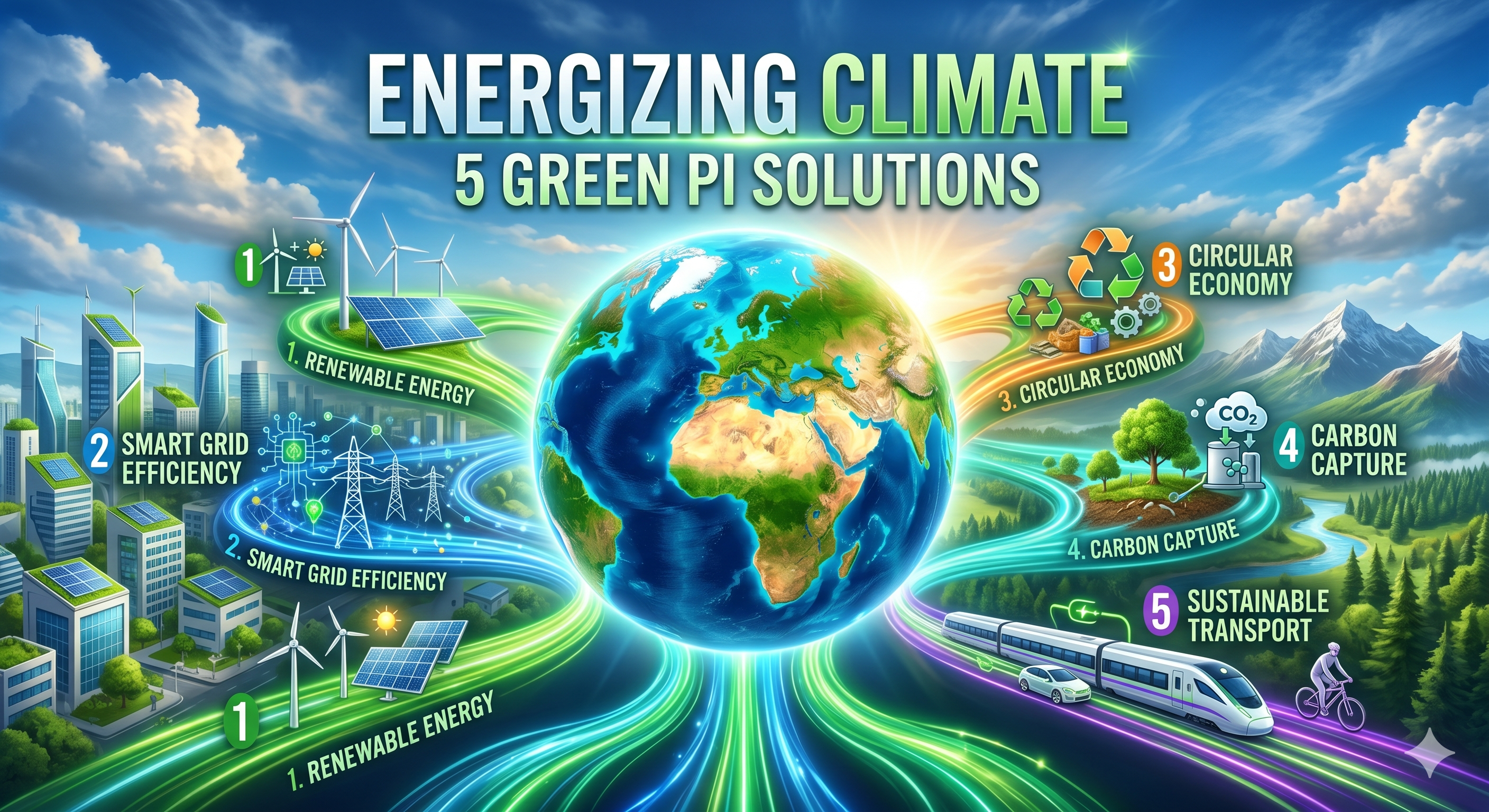
Energizing Climate: 5 Green PI Solutions
The Philippine energy landscape is at a critical crossroads in 2026. With Meralco residential rates reaching as high as ₱14.35 per kWh due to peso depreciation and global fuel volatility, the push for "Green PI" (Philippine Infrastructure) solutions is no longer just an environmental goal—it is a mandatory strategy for economic resilience.
As a nation, we are pivotally shifting toward the Philippine Energy Plan 2023–2050 targets, aiming for a 35% renewable energy (RE) share by 2030 and 50% by 2050. For homeowners and businesses, this transition offers a way to "de-load" from an increasingly expensive and unpredictable grid.
Here are five practical green solutions currently energizing the Philippine climate response.
1. Decentralized Rooftop Solar
The most immediate "Green PI" solution for the average Filipino is the utilization of existing roof space. The Philippines has a massive untapped potential of approximately 1,200 gigawatts from solar and wind combined. By installing solar panels on residential and commercial rooftops, we reduce the strain on a grid that is currently struggling with one of the lowest per-capita installed capacities in ASEAN.
For homeowners, solar is no longer a luxury but a strategic asset. Modern systems in the Philippines typically reach a 5-year solar payback period depending on daytime usage. By generating power at the point of consumption, users bypass the rising generation and transmission charges that currently make up a bulk of the Meralco bill.
2. Advanced Net Metering and Energy Pooling
Policy reforms under RA 9513 (The Renewable Energy Act) have matured to allow more sophisticated integration of consumer-led power. Net Metering remains the "gold standard" for residential users, allowing them to sell excess electricity back to the grid for credits.
However, 2026 has introduced the concept of Energy Pooling. This framework allows multiple solar owners to aggregate their capacity and participate collectively in the electricity market. This "community-led" PI solution turns a neighborhood of solar-powered homes into a virtual power plant, providing stability to the local distribution utility while maximizing the financial returns for participants. Understanding the net metering application process in the Philippines is the first step for anyone looking to join this green energy network.
3. The Green Energy Option Program (GEOP)
For larger electricity consumers—such as offices, warehouses, and factories—the Green Energy Option Program (GEOP) is a transformative solution. This mechanism allows qualified end-users with a monthly peak demand of at least 100 kW to source 100% of their electricity directly from RE developers.
GEOP is expanding, with the Department of Energy (DOE) conducting reviews to lower the threshold further, potentially down to 0 kW in the future. This allows businesses to bypass fossil-fuel-heavy power supply agreements (PSAs) and lock in rates from solar, wind, or geothermal providers. For those who cannot install panels on-site due to shading or structural issues, GEOP serves as a "virtual" green PI solution. You can compare this with local options in our guide to GEOP vs. Net Metering.
4. Climate-Resilient Hybrid Storage
The Philippine climate is defined by its extremes: intense heat during the dry season and frequent typhoons that disrupt the grid. Standard grid-tied solar systems shut down during brownouts for safety. To solve this, Hybrid Solar Systems—which combine panels with lithium battery storage—are becoming the standard for 2026 "Green PI."
These systems provide "islanding" capability, allowing a home or business to remain powered even when the main grid fails. Given that the dry season typically sees a 20% to 33% increase in demand due to cooling appliances, having a battery-backed system ensures you aren't just saving money, but maintaining operational continuity during peak-load alerts or scheduled maintenance. We recommend checking our breakdown of top solar batteries for 2025 and 2026 to understand the capacity requirements for your specific load.
5. RE-Ready Commercial Architecture
Finally, we are seeing a shift in how commercial buildings are designed. "Green PI" now includes Multi-Land Use models where energy generation coexists with other functions. In urban settings like Metro Manila, this translates to building-integrated photovoltaics (BIPV) and solar-ready carports.
For industrial sectors, the move toward "Green Lanes" for strategic investments has streamlined the permitting process, making it easier to integrate large-scale solar into factory rooftops. This architectural integration reduces the "heat island" effect of large concrete or metal structures while providing a massive source of clean, local energy. To ensure these installations are safe and compliant, it is critical to verify installer credentials and ensure they follow the latest DOE guidelines for grid-tied solar.
FAQ
Can I use solar to power my aircon during the dry season?
Absolutely. In fact, solar production is highest when the sun is brightest, which coincides perfectly with when your aircon needs to work the hardest. This "peak-to-peak" alignment is why solar has a high ROI in the Philippines.
What is the difference between Net Metering and GEOP?
Net Metering is for users (usually under 100 kW) who want to generate their own power and sell the excess back. GEOP is for larger users who want to buy 100% renewable energy from a third-party supplier instead of their local utility.
Is 100% foreign ownership of solar companies allowed now?
Yes. Recent legal clarifications (DOJ Opinion No. 21) have allowed for 100% foreign ownership in solar, wind, and tidal energy, distinguishing them from "depletable" natural resources. This has led to a surge in high-quality international hardware and expertise entering the Philippine market.