
Fund Your Power: Pinoy Installation Pay Plans
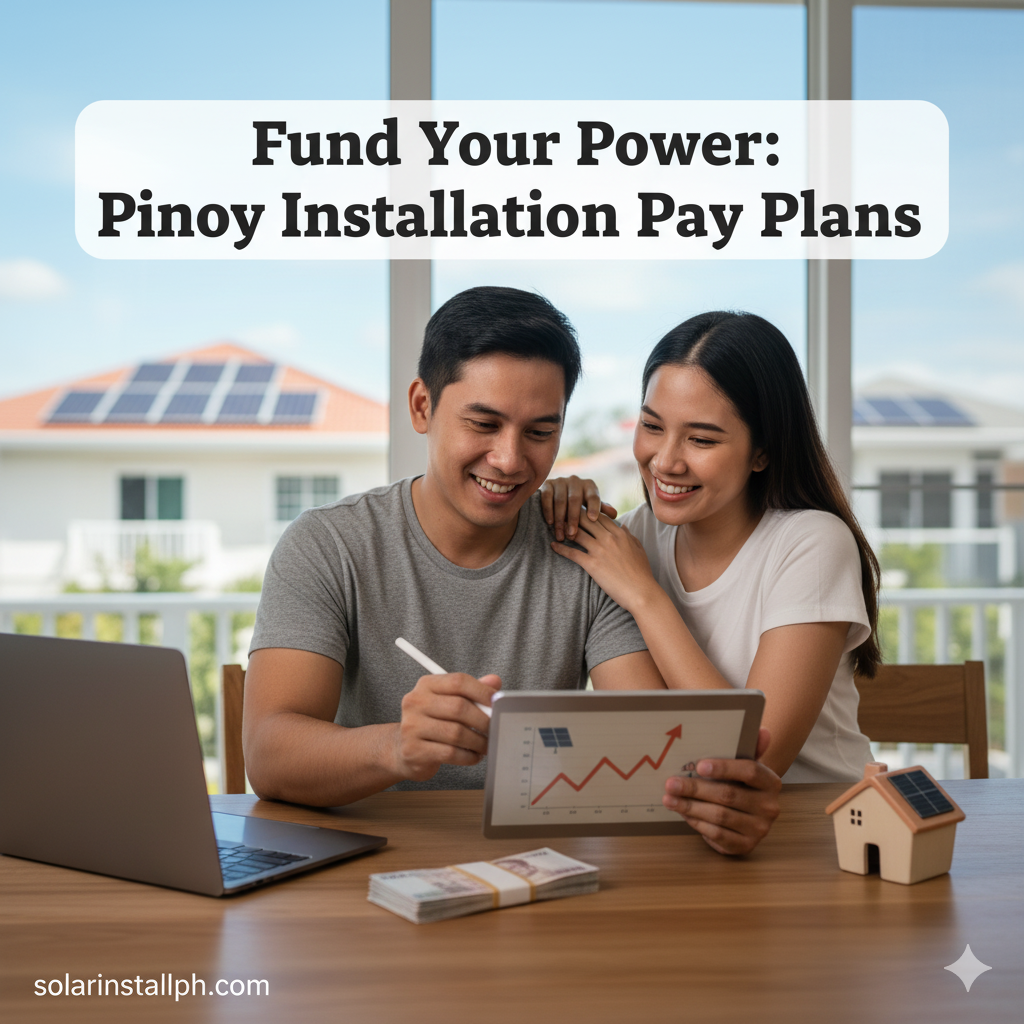
For the average Filipino household, the dream of harnessing solar power—of achieving energy independence and drastically cutting a non-negotiable monthly expense—often collides with a single, daunting obstacle: the upfront cost. While the long-term benefits of solar energy are undeniable, the initial investment for a quality home system, which can range from ₱150,000 to over ₱500,000, places it beyond the immediate reach of many.
This financial barrier has historically been the biggest brake on residential solar adoption in the Philippines. However, the landscape is rapidly changing. A new wave of innovative financing solutions, offered by both progressive financial institutions and the solar companies themselves, is breaking down this wall. It’s now possible to fund your own power plant without needing a lump-sum cash payment.
This guide explores the diverse and accessible payment plans available to Pinoy homeowners today. From traditional bank loans tailored for green energy to convenient, all-in-one financing from your installer, we’ll navigate the options that can turn your dream of a solar-powered home into a smart, manageable financial reality.
1. The Traditional Route: Bank Solar Loans
As solar technology has become a mainstream and reliable investment, Philippine financial institutions have stepped up to offer dedicated loan products to fund them. For homeowners with good credit history and stable income, securing a loan from a major bank is often the most cost-effective way to finance a solar installation, as it typically comes with the lowest interest rates.
What to Look For:
Dedicated Green Loans: Several leading banks have launched specific "green" or "sustainable" loan facilities. A prime example is BPI's Solar Mortgage program, which allows clients to finance a solar panel system as part of a new or existing home loan. This integrated approach can offer favorable terms and simplifies the payment process.
Personal Loans for Home Improvement: Most universal banks will finance a solar panel installation under a general "home improvement" or "personal" loan. SB Finance, an affiliate of Security Bank, has made a specific push in this area, partnering directly with solar providers and offering non-collateralized personal loans of up to ₱2 million, with payment terms extending up to 36 months.
Government Bank Programs: Government-owned financial institutions are also key players. The Development Bank of the Philippines (DBP), for example, offers its Solar Merchant Power Plant (SMPP) Financing Program, which, while more focused on larger projects, signals the government's strong support for solar energy financing.
The Process and Requirements: Applying for a bank loan is a formal process. You will typically need to provide proof of income (ITR, payslips), proof of property ownership, and a detailed quotation from your chosen solar installer. The bank will conduct its own credit assessment, and approval can take several weeks. While more rigorous, the potential for lower interest rates compared to other options can save you thousands of pesos over the life of the loan. A detailed breakdown of available solar loans in the PH can help you compare different bank offerings.
2. The All-in-One Solution: In-House Financing from Solar Installers
Perhaps the most significant development in making solar accessible has been the rise of in-house financing programs offered directly by solar installation companies. This model combines the solar equipment, installation, and payment plan into a single, convenient package, eliminating the need to deal with a separate bank.
Why It's Popular:
Convenience and Speed: The primary advantage is the streamlined process. The application is integrated into your sales consultation, approvals are often granted within 24-48 hours, and the required documentation is usually less stringent than what banks demand.
Accessibility: Solar companies are often more flexible in their credit assessments. They are in the business of selling and installing solar systems, so their financing arms are designed to approve a wider range of customers, including those who might not meet the strict criteria of traditional banks.
Zero or Low Down Payment Options: Many installers offer attractive plans with minimal or even zero down payment. This is a game-changer for families who want to start saving on their electricity bills immediately without a large cash outlay.
What to Expect: In-house financing plans come in various forms:
Installment Plans: The most common structure involves a fixed monthly payment over a set term, typically ranging from 12 to 36 months. Some companies offer promotional zero-interest periods, while standard interest rates are generally higher than bank loans.
"Rent-to-Own" Models: Pioneered by companies like Solviva Energy, this model allows you to use the solar system for a fixed monthly fee, which is often structured to be lower than your average electricity bill savings. At the end of the contract term (which can be 5 years or more), you own the system.
Leading national installers like Solaric, SolarNRG, and Solar Philippines all have robust in-house financing divisions. The convenience and accessibility they offer have been instrumental in driving the residential solar boom. However, it's crucial for consumers to carefully read the terms and calculate the total cost, including interest, to ensure it aligns with their budget. Consulting a guide on how to choose a solar company with a good financing reputation is key.
3. Unlocking Home Equity: A Smart Way to Fund Your Power
For Filipinos who have been paying off a home loan for several years, a powerful but often overlooked financing tool lies dormant in their property: home equity. Home equity is the difference between your property's current market value and the outstanding balance on your mortgage. You can borrow against this value through a home equity loan or a Home Equity Line of Credit (HELOC).
How It Works:
Home Equity Loan: You borrow a lump-sum amount against your equity, which you then use to pay for the solar installation. You repay this loan in fixed monthly installments over a set period.
HELOC: This works more like a credit card. The bank approves you for a certain credit limit based on your equity, and you can draw funds as needed. This offers more flexibility if your project costs change.
The Advantages: Because these loans are secured by your property, they represent a lower risk for the bank. As a result, they often come with significantly lower interest rates than unsecured personal loans or some in-house financing options. This makes tapping into your home equity one of the most cost-effective ways to finance a major home improvement like a solar energy system.
The first step is to talk to your mortgage provider. They can assess your property's value, calculate your available equity, and walk you through their specific loan products.
Making the Right Choice for Your Budget
The best payment plan for your solar installation depends entirely on your personal financial situation and priorities.
If you have sufficient savings, a cash purchase will always yield the highest long-term return.
If you have a strong credit history, a bank solar loan will likely offer the lowest interest rates.
If you prioritize convenience, speed, and a low down payment, in-house financing from a reputable installer is an excellent choice.
If you are a homeowner with built-up equity, a home equity loan can be a very cost-effective option.
Regardless of the path you choose, the goal is the same: to make a smart investment that will pay for itself through years of reduced electricity bills. By understanding these Pinoy installation pay plans, you can select the one that best fits your family's budget and start your journey toward energy and financial freedom. Before you commit, ensure you have a clear understanding of the entire process by reviewing a comprehensive solar installation guide. This will help you factor in all aspects, from initial costs, as seen in this panel cost guide, to the long-term benefits of solar energy.