
Cabin Oasis: Off-Grid Energy Solutions
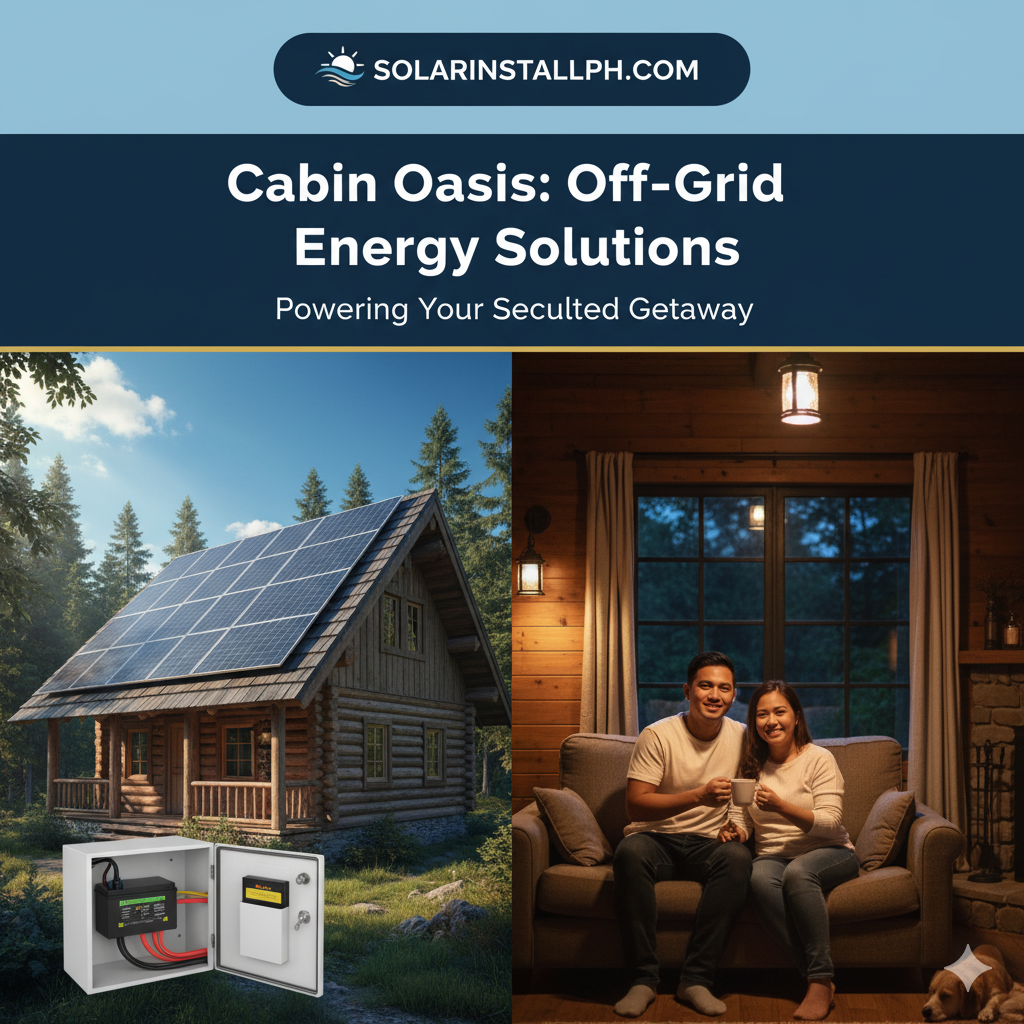
The image of a secluded cabin, nestled in the mountains of the Cordilleras or perched on a white-sand beach in Palawan, is a powerful symbol of tranquility and escape. For a growing number of Filipinos, this dream extends beyond just a remote location; it involves a complete break from the public utility grid. This is the heart of the "cabin oasis"—a self-sufficient haven powered by independent energy. In an archipelago of over 7,000 islands, where the grid can be unreliable and electricity costs are among the highest in Southeast Asia, the concept of off-grid living is transitioning from a niche fantasy to a practical and empowering reality, largely thanks to the power of the sun.
The Philippines' geography and climate create a unique set of energy challenges. Frequent typhoons can cause widespread and prolonged power outages, leaving communities isolated and without essential services. Furthermore, household electrification in remote, off-grid areas still lags significantly behind the national average. For many, living "off-grid" has long been a necessity rather than a choice. Today, however, a different trend is emerging. Driven by a desire for energy independence, environmental responsibility, and resilience against both natural disasters and volatile energy prices, many are now deliberately choosing to unplug. This movement isn't just for rustic hideaways; it’s being embraced by modern homes, agricultural farms, and eco-tourism businesses seeking a stable and sustainable power source.
The Essence of Energy Independence: Understanding Off-Grid Solar
At its core, an off-grid solar energy system is a private power station for your property. Unlike grid-tied systems, which are connected to the local utility and can feed excess power back into it, an off-grid setup operates in complete isolation. It is your sole source of electricity, making you the producer and manager of your own power.
Achieving this independence requires a few key components working in harmony. It all starts with solar panels, which capture sunlight and convert it into direct current (DC) electricity. This power is then managed by a charge controller, a critical device that regulates the flow of electricity to the battery bank, preventing overcharging and extending its life. The battery bank is the heart of an off-grid system, storing the energy generated during the day for use at night or on overcast days. Finally, an off-grid inverter converts the stored DC electricity from the batteries into alternating current (AC) electricity, the standard form of power used by household appliances. This combination of components creates a self-contained ecosystem of energy, offering freedom from the national grid.
The Tangible Benefits of Unplugging
Choosing to go off-grid is a significant decision, but it comes with a suite of compelling advantages perfectly suited to the Philippine context.
First and foremost is energy independence and resilience. For anyone who has experienced the frustration of frequent brownouts or the prolonged blackouts that follow a major typhoon, the ability to generate your own power is transformative. An off-grid solar system, especially when designed to withstand harsh weather, ensures that critical services can continue uninterrupted. This is particularly vital in regions like Bicol, which are often in the path of strong storms; having a reliable power source like a system designed for typhoon-prone areas can be a lifeline for families and communities, powering communication devices, water pumps, and medical equipment when they are needed most.
The second major benefit is economic. While the initial investment is substantial, an off-grid system effectively eliminates your monthly electricity bill for the lifespan of the components. This provides protection against the ever-increasing cost of electricity and offers predictable energy expenses for decades. Over time, the savings can deliver a significant return on investment. Furthermore, properties equipped with independent solar systems often see an increase in value, attracting buyers who are conscious of both environmental impact and long-term utility costs.
Finally, off-grid solar is a powerful tool for sustainability and development. It allows for the electrification of remote areas where extending the national grid is geographically and financially impractical. In regions like Mindanao, deploying off-grid solar solutions can bring light to homes, power to schools, and energy to local businesses, fostering economic growth and improving quality of life. For agricultural businesses, solar power can run irrigation systems and other essential equipment, boosting efficiency and productivity in a sustainable way. This is particularly relevant for off-grid farms looking to modernize operations while maintaining a low environmental footprint.
The Practical Realities: Planning Your Off-Grid System
The journey to energy independence requires careful planning and a realistic understanding of the costs and commitments involved. It is not as simple as just installing a few panels on a roof.
The most significant hurdle for many is the upfront cost. An off-grid system is considerably more expensive than a grid-tied one, primarily due to the necessity of a large battery bank and a more specialized inverter. A typical 5kW off-grid system, for instance, can cost several hundred thousand pesos, depending on the battery capacity and quality of components. This initial outlay is substantial, but it must be weighed against the long-term savings and benefits of energy security.
To ensure that investment is sound, the most critical step is a professional system sizing and energy assessment. This is not a step to be taken lightly. A proper solar assessment involves a detailed analysis of your property’s location, potential shading from trees or other structures, and, most importantly, your daily energy consumption. An installer will conduct an energy audit, listing every appliance you intend to use—from the refrigerator and lights to air conditioners and water pumps—and estimating how many hours each will run per day.
This detailed calculation is essential for proper solar sizing. If the system is too small, you will experience power shortages and be forced to make uncomfortable compromises. If it's too large, you will have paid for generating capacity you don't need, wasting a significant amount of money. A well-designed system will have enough generation and storage capacity to see you through several days of cloudy weather without needing to drastically alter your energy use.
Living off-grid also requires a shift in mindset. It cultivates a conscious awareness of energy consumption. You learn to manage your loads, perhaps by running high-power appliances like washing machines during peak sun hours and avoiding the simultaneous use of multiple energy-hungry devices. It's a lifestyle adjustment that trades mindless consumption for mindful, efficient living.
The success of your cabin oasis ultimately hinges on the quality of both the components and the installation. The panels, inverter, and especially the batteries must be from reputable manufacturers with solid warranties. Just as important is choosing an experienced installer who specializes in off-grid systems. These setups are more complex than grid-tied installations and require deep technical expertise in battery management, system balancing, and safety protocols to ensure a reliable and long-lasting energy solution. In this growing industry, due diligence in selecting a trusted partner is paramount.
The dream of a self-powered cabin oasis in the Philippines is no longer a far-fetched fantasy. With falling technology costs, growing environmental awareness, and a clear need for energy resilience, off-grid solar solutions offer a practical path to independence. It is an investment in security, sustainability, and a future where you are in complete control of your power.