
Home Battery Install: A Local's Guide
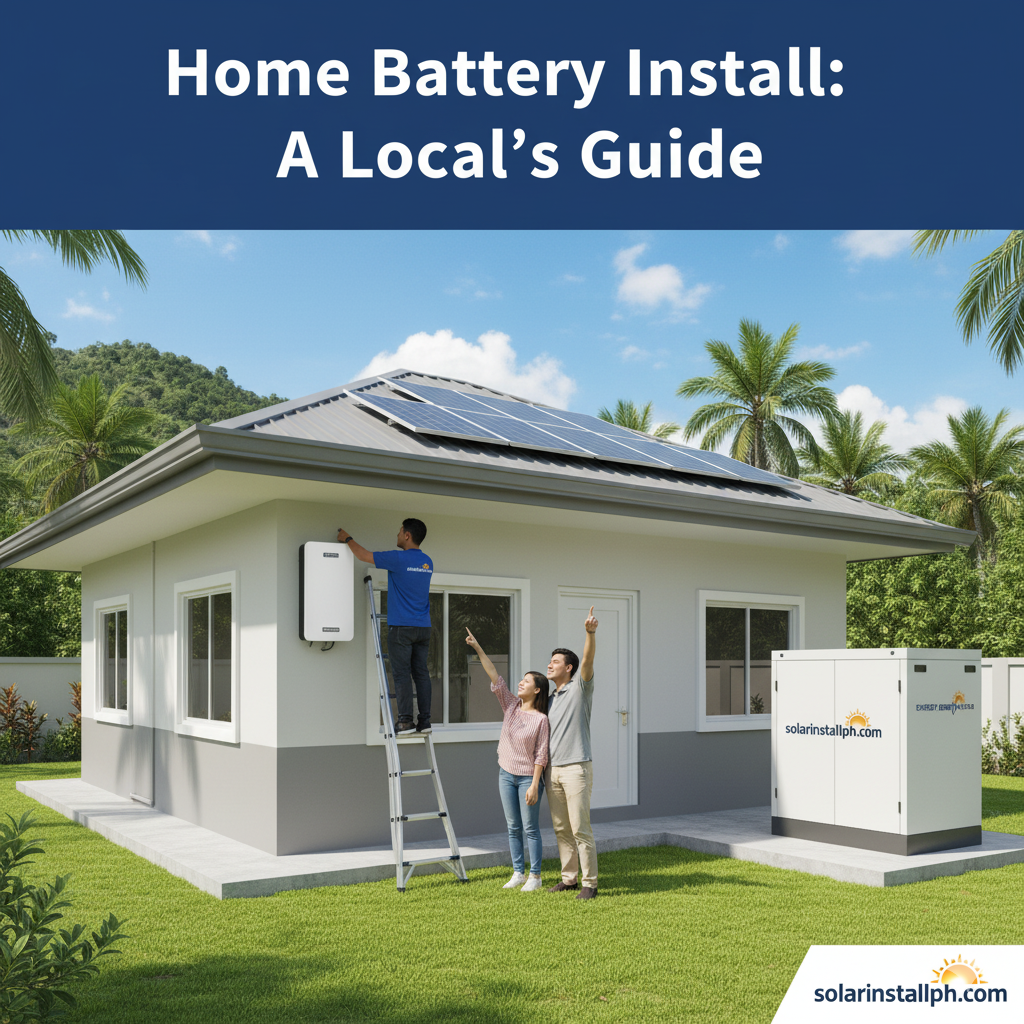
Electricity prices in the Philippines rank among the highest in Asia, making every watt a matter of household budget and comfort. Traditional energy infrastructure is often stretched, with frequent outages in both cities and provinces. These realities explain why solar panels and, increasingly, home battery storage, have become not just smart options but urgent solutions.
Why Filipinos Choose Home Batteries
Households are getting serious about home battery storage because it solves unique local challenges. Rolling blackouts—whether from grid instability, typhoons, or sudden brownouts—can leave homes without power for hours or days. A properly installed battery system acts as a buffer, storing solar energy or grid electricity for use during outages. Batteries enable true energy independence: families can harvest power from the sun and keep their lights and appliances running come what may.
Lately, lithium-ion batteries have taken center stage for Filipino homes. Unlike older lead-acid types, lithium-ion units provide long lifespans, higher energy density, and better resilience against the country’s humidity and high heat. Price-wise, battery backup systems typically start around PHP 120,000, a substantial investment, but one justified by the annual savings, improved comfort, and security they provide.
The Basics: Understanding Components
A home battery install in the Philippines involves more than plugging in a big box; it is an integration of technology, lifestyle, and regulation.
Battery types used locally include lithium-ion (preferred), lead-acid (legacy and budget), and emerging saltwater batteries (eco-friendly, but less available). Each type varies in cost, safety profile, and suitability for the Philippine climate. Most batteries range from 5 kWh to 15 kWh in storage capacity, enough to run the essentials during a brownout—a refrigerator, lights, fans, and some communication devices.
Inverters are essential. A hybrid inverter is ideal for homes that combine solar panels and batteries, converting direct current (DC) to alternating current (AC) so appliances function seamlessly. If you are adding batteries to an existing solar setup, your installer may need to upgrade your inverter.
Safety gear is a must. Fire safety should be considered: lithium-ion technology, while stable, can overheat if installed incorrectly. Batteries are usually placed in cool, dry, well-ventilated spaces, away from direct sunlight and moisture. Follow local guidelines for electrical safety, using certified circuit breakers and smoke detection near your install site.
For a deeper dive into battery selection and sizing, consult the comprehensive Filipino-centric solar battery guide, which explains every component and how each fits into your unique household requirements.
Step-by-Step: Philippine Battery Installation
Installing a home battery storage system, especially for solar setups, should never be rushed. Follow these essential steps to ensure a lasting, safe investment:
1. Site Assessment and Energy Audit
A licensed installer starts by reviewing your recent electricity bills, checking roof structure, and measuring potential battery needs. This is more than a formality—overbuying capacity is expensive, and undersizing means no power during extended outages. Most Filipino households consume 17–30 kWh per day, but not every device needs backup. Audit carefully, then size your battery accordingly.
2. Permitting and Compliance
The Energy Regulatory Commission (ERC) and local building offices require permits for solar and battery installations involving wiring changes or substantial new electrical loads. Your installer will manage city or municipal paperwork, assure compliance with the Renewable Energy Act (RA 9513), and schedule inspections. Files must be thorough, as inspections focus on both safety and technical standards.
For an overview of application steps and regulatory compliance, see this solar battery installation guide.
3. Electrical System Upgrades
Older homes may require panel upgrades or even a new subpanel to handle the battery load. Filipino electrical codes recommend dedicated breakers and isolators for battery systems to prevent faults. If the main panel cannot accommodate the additional circuits and amperes, your installer must add a subpanel or reinforce your existing electrical load center.
4. Choosing and Installing the Battery
Pick a battery system from trusted vendors who understand local power fluctuations, climate, and typhoon risks. Installation typically takes one to two days for most homes.
Location matters: place the battery in a basement, utility room, or any area protected from floods, rain, and direct sunlight.
Mounting and wiring must follow strict safety codes. Installers connect the battery to the inverter and home circuits using fire-resistant cables and weather-sealed connecters.
For guidance on choosing the best spot and mounting tips suited for Philippine homes, read the battery install visit guide.
5. Safety Checks and Commissioning
After installation, the system undergoes a full set of inspections:
Inspectors from LGUs and sometimes Meralco or other distribution utilities check wiring, breaker placement, and emergency disconnects.
Fire safety checks for lithium-ion batteries are mandatory. Ensure your installation includes ventilation, moisture protection, and smoke detection.
You can review the essential safety considerations at solar battery safety.
Maintenance: Keeping Your Battery Healthy
Regular maintenance extends battery life and keeps your system running smoothly:
Annual inspections by qualified professionals are recommended.
Monitor the battery management system (BMS) to avoid overcharging, deep discharging, or short-circuit risks.
If the system supports remote monitoring, check outputs and error codes each month to preempt issues.
DIY maintenance is possible for simple cleaning, but deep diagnostics—checking state-of-charge, cycle count, and BMS alerts—are jobs for pros. It is also wise to keep emergency contact information for your installer and manufacturer in case of performance drops or safety warnings.
Consult the local-focused guide to battery upkeep and emergency procedures at solar battery management.
Legal, Financial, and Regulatory Considerations
Philippine Energy Policy and Battery Storage
Home battery installs now fall under the regulatory umbrella of the Renewable Energy Act and complementary ERC directives. These policies aim to integrate more distributed energy into the national grid while protecting homes and communities. In 2025, new guidelines are being deliberated to define how batteries participate in the power market, whether installed on-grid, off-grid, or in hybrid configurations. Homeowners should consult with installers well-versed in the latest DOE and ERC updates to guarantee their system meets all requirements.
Financial Incentives, Payback, and Cost
The upfront cost of a battery system remains substantial, but rising grid rates and more outages are making the investment easier to justify. Solar battery setups can increase payback by providing critical backup, lowering reliance on expensive grid electricity during peak times, and improving overall energy resilience. Financing and loans through banks, cooperatives, and in-house installer programs have become more accessible; Pag-IBIG, for example, offers green loans for eligible home improvements.
Many Filipino families report over 15% Internal Rate of Return (IRR) annually, with major cities—especially those plagued by frequent power interruptions—seeing even better returns. Net Metering remains available for homes with on-grid solar, and homes with batteries may sell excess energy under certain conditions.
Gain insight into maximizing your financial returns and understanding the real costs at the solar battery savings guide.
The Filipino Experience: Why Local Expertise Matters
Filipino installers have learned from years of typhoon seasons, brownouts, and evolving local rules. Only locally certified teams can guarantee battery installs compliant with both technical and cultural realities—from correct mounting techniques to navigating barangay-level approvals.
For a comprehensive lookup of installers, local experts, and feedback, see the regionally sorted solar installer directory.
Many Filipino families prefer turnkey solutions managed by accredited professionals. The value lies not only in technical know-how but in support for aftersales and emergency issues. Ask for warranties, reference projects, and read genuine reviews—these local experts are your best partners for long-term solar success.
Living with Batteries: The Lifestyle Shift
Integrating a battery storage system means shifting the way your household thinks about energy. Suddenly, you track peak hours, plan chores and charging for optimal sunlight, and enjoy the confidence of backup power for essential appliances. Filipino solar households often share stories of lower Meralco bills, quieter nights during brownouts, and smoother recovery after natural disasters.
The key advice from successful local installs: collaborate with experienced solar professionals, educate everyone at home about system limitations, and always prioritize safety. Every installation is unique, shaped by house design, energy needs, and lifestyle goals—tailoring the system to fit is what turns a home battery from an expensive gadget into an indispensable household asset.
In sum: Installing a home battery in the Philippines is a strategic move that promises comfort, savings, and resilience. By following proven local guides, choosing the appropriate technology, and staying updated on policy, Filipino households can step confidently into the future of clean, reliable energy.