
Filipino PV Progress: An Expert Roundup
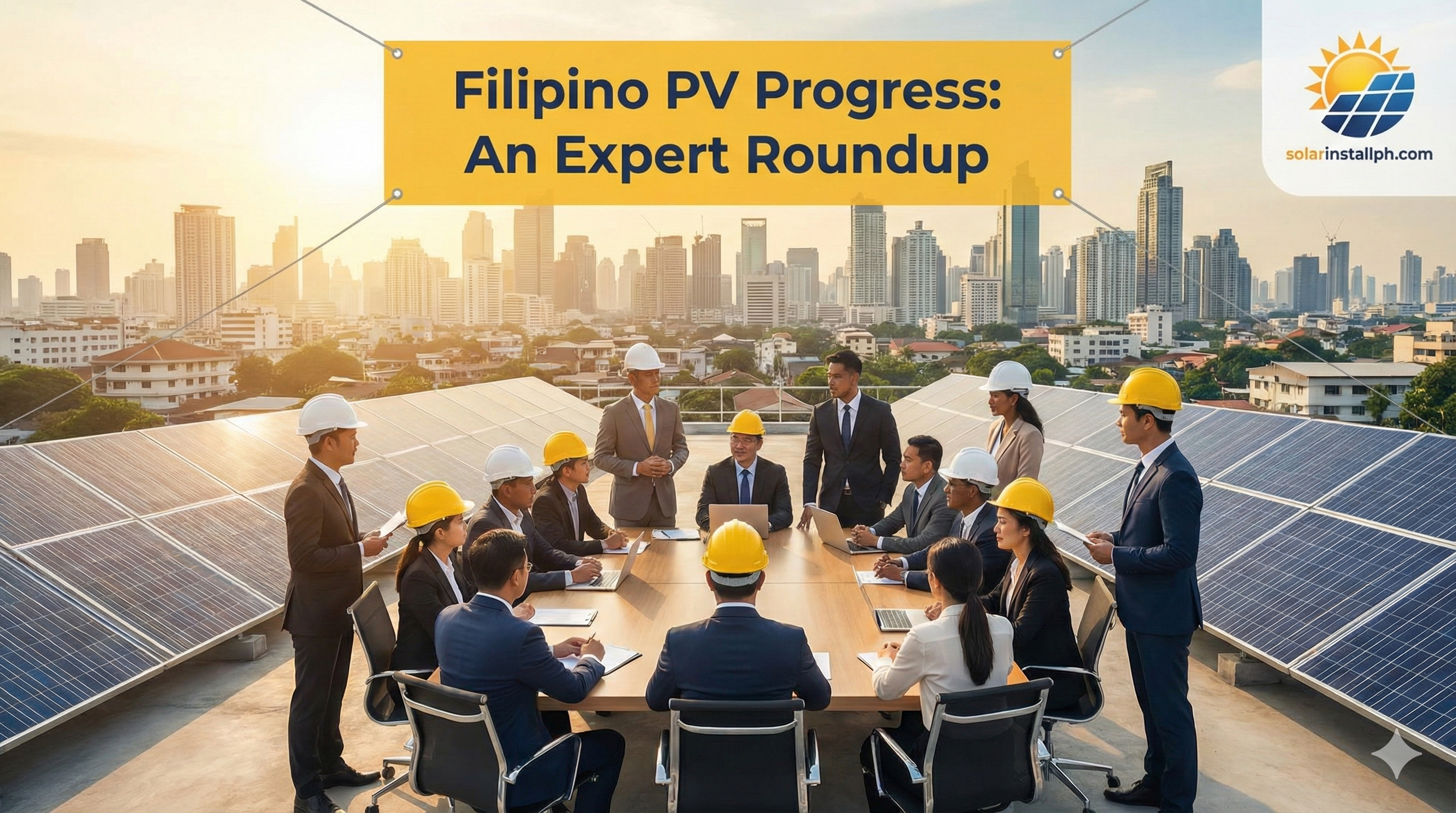
The Philippine solar landscape has moved past the experimental phase and is now in a period of rapid, policy-driven expansion. As of early 2026, the convergence of high electricity rates, aging fossil fuel infrastructure, and aggressive government mandates has made photovoltaic (PV) technology a cornerstone of the national energy strategy. This roundup gathers insights from industry experts and practitioners on the current state of solar in the Philippines.
The State of the Solar Market in 2025–2026
The Philippine solar energy market is undergoing an unprecedented growth spurt, reaching approximately 2.23 TWh in 2024 and projected to expand at a compound annual growth rate (CAGR) of nearly 18% through 2034. This momentum is largely concentrated in Luzon, which currently accounts for over 70% of total installed capacity due to its dense population and industrial base.
Experts point to the declining costs of hardware as a primary driver. Installation prices for residential systems have dropped to approximately ₱30,000 to ₱40,000 per kW. When coupled with the Philippines' abundant solar resource, these price points are shortening the typical solar payback factor to a realistic 3 to 5 years for many high-consumption households.
Key Market Projections
Capacity Growth: The Department of Energy (DOE) envisions installed solar capacity potentially doubling to reach 3,000 MW within the next year.
Residential Expansion: The residential sector is expected to grow by nearly 20% annually as homeowners seek relief from rising utility bills.
Storage Adoption: Prices for lithium-based storage systems are projected to drop by 10-15% in 2025, making solar backup power more accessible for those in brownout-prone areas.
Policy Pillars: RA 9513 and Beyond
The legal framework governing this progress remains the Renewable Energy Act of 2008 (RA 9513). However, recent administrative updates have significantly streamlined the "red tape" that previously hindered development.
The Revised Omnibus Guidelines issued in mid-2024 removed nationality requirements for RE developers and introduced the Energy Virtual One-Stop Shop (EVOSS) system. This digitalization aims to reduce the time needed for rooftop solar permits and other necessary clearances, which historically took 6 to 12 months to secure.
Critical Program Updates
Net Metering: Amended rules (ERC Resolution 15, series of 2025) have clarified billing and metering standards for "own-use" systems.
Renewable Portfolio Standards (RPS): The government raised the minimum RPS to 2.52% in 2023, forcing distribution companies to source more energy from renewables.
Green Energy Option Program (GEOP): This initiative allows major electricity users to choose 100% renewable suppliers, though experts note that wider awareness is still needed to maximize its impact.
Technical Realities: Designing for the Philippines
Expert installers emphasize that Philippine solar is not a "one-size-fits-all" solution. Our tropical environment presents unique engineering challenges, particularly regarding the rainy season and high wind speeds during typhoons.
Systems must be built with significant wind load solar considerations to survive 200kph+ gusts. Furthermore, equipment in coastal regions faces accelerated degradation from humid, salty air, requiring high-quality mounting materials and corrosion-resistant components.
Practical Installation Advice
Hybrid Systems: Practitioners increasingly recommend hybrid setups over pure grid-tie systems to ensure business continuity during the periodic outages common in the provinces.
Energy Audits: Before installing panels, a professional home energy audit is recommended to identify "phantom loads" and optimize overall energy efficiency.
Shading and Siting: Given our geography, even minor shading from neighbor structures or tropical foliage can drastically reduce output. A thorough site analysis is non-negotiable for achieving the projected ROI.
Challenges to Widespread Adoption
Despite the progress, several roadblocks remain. High upfront costs continue to deter lower-income segments, with basic residential installations starting around ₱100,000. While long-term savings are clear, the "entry fee" is still substantial for many Filipino families.
Grid infrastructure also remains a bottleneck. In regions like Visayas and Mindanao, weak transmission lines and limited substations prevent some large-scale solar projects from effectively distributing their generated power to the main grid. This has led to an increased interest in microgrid systems and decentralized energy solutions for remote communities.
The Road Ahead: 2026 and Toward 2030
The Philippine government aims to increase the renewable energy share in the power mix to 35% by 2030 and 50% by 2050. Achieving these targets will require a strong partnership between the public sector and DOE-accredited installers to ensure that systems are safe, compliant, and efficient.
Emerging trends such as floating solar on Laguna Lake and solar-powered irrigation for agriculture are set to expand the definition of PV use in the country. As the Malampaya gas fields deplete, solar is no longer just a luxury—it is becoming a vital component of Philippine energy security.
FAQ
Is solar worth it if I live in a condo? Yes, but you must navigate specific building management rules and potentially look into shared solar programs.
What happens to my solar panels during a typhoon? If installed by certified professionals using proper mounting brackets and high wind-load engineering, panels are designed to withstand typical tropical storm conditions.
Can I truly reach a "zero" Meralco bill? Some highly optimized systems coupled with net metering can reach a zero bill, though most homeowners aim for a 30% to 70% reduction.