
What Philippine Battery Storage Solutions?
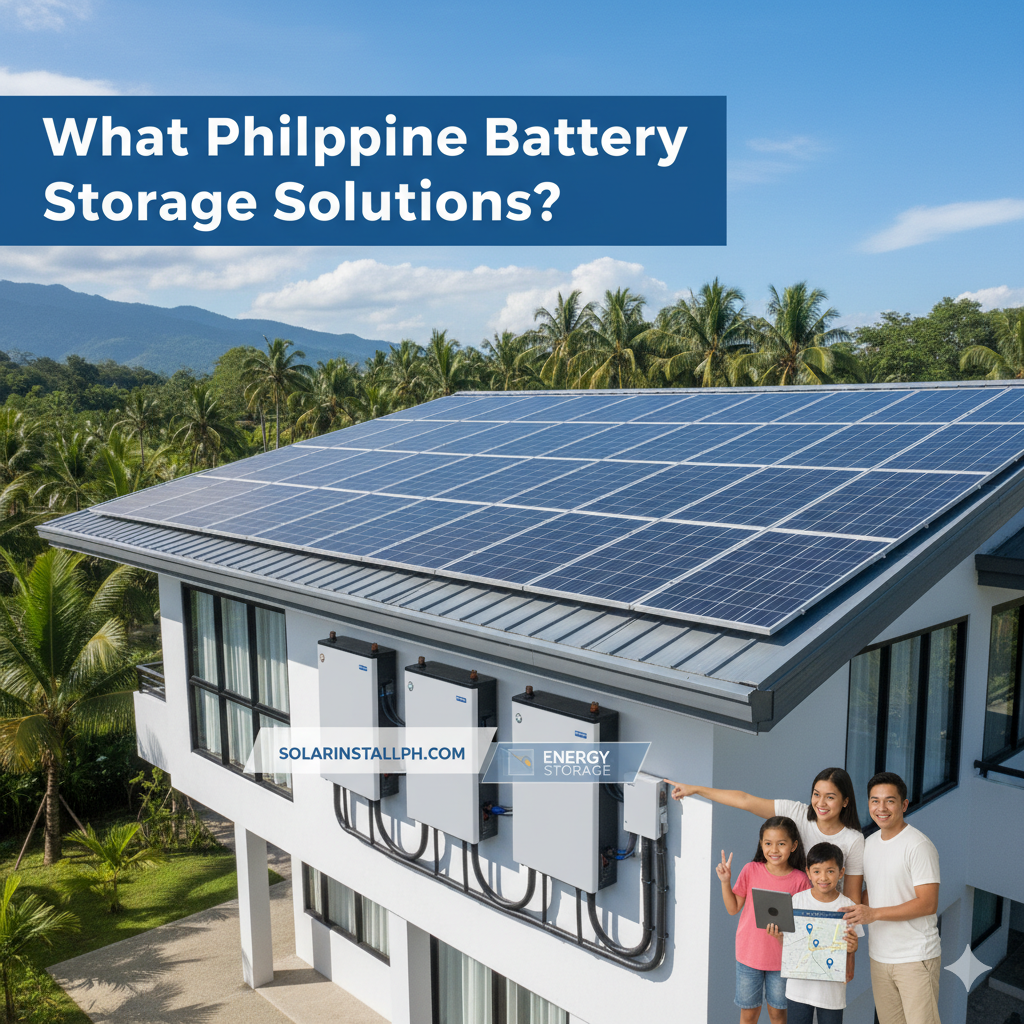
In an archipelago like the Philippines, blessed with abundant sunlight but frequently tested by typhoons and grid instabilities, the conversation around energy is shifting. For years, the focus has been on harvesting solar power. Now, a quieter but equally profound revolution is underway: energy storage. The question is no longer just about generating power, but about controlling it. As the nation grapples with some of the highest electricity costs in Southeast Asia and a grid that can be unpredictable, Battery Energy Storage Systems (BESS) are emerging from the niche to the necessary.
This transition is not merely anecdotal; it's a rapidly accelerating market trend. The Philippine government itself anticipates a need for nearly 2,000 megawatts (MW) of battery storage capacity to support the influx of renewable energy sources. This signals a strategic move to modernize the country's power infrastructure. For the average Filipino homeowner and business, this national-level ambition translates into a practical solution for energy security and financial relief. This article explores the battery storage solutions available in the Philippines, the powerful forces driving their adoption, and how they are reshaping the country's energy landscape from massive utility farms down to the individual rooftop.
The Driving Forces: Why Batteries, Why Now?
The surge in interest for battery storage is a response to several uniquely Filipino challenges and opportunities. It’s a convergence of economic necessity, a desire for resilience, and a strategic push towards a cleaner energy future.
First and foremost is the quest for energy security. Power outages, whether caused by typhoons, grid failures, or scheduled maintenance, are a disruptive part of life for many. A solar-plus-battery system offers a powerful defense. While a standard grid-tied solar setup will shut down during a blackout for safety reasons, a system with a battery can disconnect from the grid and continue powering essential loads. This ability to create a personal power reserve provides homes and critical businesses with invaluable continuity and peace of mind. For those in remote or "off-grid" areas, this technology is not just a convenience but a lifeline, offering a cleaner and more reliable alternative to noisy, fuel-dependent generators. Explore how you can achieve energy independence with an off-grid solar setup.
Second, the economic argument for battery storage has become undeniable. The Philippines has notoriously high electricity rates, which are subject to global fuel price volatility. Solar panels alone help offset costs, but their generation is limited to daylight hours. Battery storage fundamentally changes this equation through a process called "energy time-shifting." A home can now capture and store the free, abundant solar energy generated during the day and deploy it in the evening when electricity rates from the grid are often at their peak. This strategy of self-consumption maximizes the value of every kilowatt-hour produced on your rooftop, drastically reducing reliance on the utility company and accelerating the financial payback of the entire solar investment. Understanding the long-term financial benefits is key, and a deep dive into solar ROI can illuminate the potential savings.
Finally, at a macro level, batteries are crucial for grid modernization. The very nature of solar and wind power is intermittent—they produce energy only when the sun is shining or the wind is blowing. A high concentration of these variable sources can strain the national grid, causing congestion and instability. Battery storage acts as a massive buffer. Large-scale BESS facilities can absorb surplus solar power during midday overproduction and discharge it back into the grid during evening demand peaks. This balancing act not only stabilizes the grid but also enables the country to integrate a much higher percentage of renewable energy without compromising reliability. This is why major energy players in the Philippines are now investing billions of pesos into utility-scale battery farms, viewing them as an indispensable component of the country’s clean energy goals, which are supported by various business solar incentives.
A Spectrum of Solutions: Choosing Your Battery
When deciding on a battery storage solution, Filipino consumers are met with a growing range of options, each with distinct performance characteristics, lifespans, and price points. The choice largely boils down to two dominant chemistries: the traditional Lead-Acid and the modern Lithium-Ion.
Lead-Acid Batteries: The Established Workhorse
As a mature and well-understood technology, lead-acid batteries represent the most affordable entry point into energy storage. Their primary appeal is the low upfront cost, with prices for a basic system starting as low as Php 9,000 and ranging up to Php 40,000 or more for advanced types like AGM or Gel. These batteries have been the go-to for traditional off-grid applications for decades.
However, this affordability comes with trade-offs. Lead-acid batteries have a shorter lifespan, typically lasting between 3 to 5 years. They are also heavier, bulkier, and require regular maintenance, such as checking water levels in flooded types. Critically, they have a lower "depth of discharge" (DoD), meaning you can only use about 50% of their total stored capacity without significantly shortening their life. Despite these drawbacks, they remain a viable option for budget-conscious users or for backup power systems where frequent, deep cycling is not a daily requirement.
Lithium-Ion Batteries: The Modern Standard
Lithium-ion technology, the same that powers smartphones and electric vehicles, has become the dominant choice for modern residential and commercial solar storage. While the initial investment is significantly higher—prices can range from Php 90,000 to over Php 300,000—the long-term value proposition is compelling. A comprehensive solar battery guide can help navigate these advanced options.
Lithium-ion batteries outperform their lead-acid counterparts in nearly every metric. They boast a much longer lifespan, often guaranteed for 10 years or more, and can handle thousands of charge-discharge cycles. They are significantly lighter, more compact, and require virtually no maintenance. Most importantly, they offer a depth of discharge of 80% to 100%, allowing users to access far more of the energy they store. This high performance, combined with their longevity and efficiency, makes them the ideal choice for daily use in a grid-tied system designed to maximize self-consumption and savings.
Hybrid Systems: The Integrated Approach
The most effective modern setups are integrated hybrid solar systems. These systems are designed from the ground up to work seamlessly with both solar panels and batteries. They utilize a sophisticated hybrid inverter that can intelligently manage power from the panels, the battery, and the grid simultaneously. This "brain" of the system can be programmed to prioritize storing solar energy, using it to power the home directly, or exporting it to the grid based on the homeowner's goals—be it maximizing savings, ensuring backup power, or a combination of both. These smart systems represent the future of residential energy management, offering a complete solution for power security and optimization.
Overcoming the Hurdles: Challenges and Future Outlook
Despite the clear benefits and growing momentum, the path to widespread battery adoption in the Philippines is not without its challenges. The most significant barrier remains the upfront cost. While prices are steadily declining globally, a battery can add a substantial amount to the initial cost of a solar installation, placing it out of reach for many households. However, as more financing options become available and the long-term savings are better understood, this hurdle is gradually lowering.
Policy and standardization also present challenges. While the Renewable Energy Act provides a strong foundation, specific government policies that directly incentivize battery adoption, such as dedicated auctions or subsidies, are still in their nascent stages. Industry experts have called for a separate auction for battery capacity to accelerate deployment. Furthermore, a lack of national standards for battery systems can create confusion for consumers and installers alike.
Finally, there is a need for greater consumer awareness and installer expertise. Sizing and installing a battery system requires a different skill set than a simple solar panel installation. It involves careful calculation of loads, understanding battery chemistry, and ensuring safety compliance. As the market matures, the role of qualified, experienced installers who can design and implement these more complex systems will become even more critical.
Despite these obstacles, the future outlook is incredibly bright. The convergence of falling battery prices, rising electricity costs, and an urgent need for a more resilient power grid has created a perfect storm for BESS adoption. The massive investments being made in utility-scale storage by companies like Citicore and Terra Solar are a clear indicator of the technology's importance at a national level. For the Filipino consumer, battery storage is rapidly transitioning from a luxury add-on to an essential component of any modern solar power system. It is the missing piece of the puzzle, the key that unlocks true energy independence and secures a more sustainable and cost-effective energy future for the nation.