
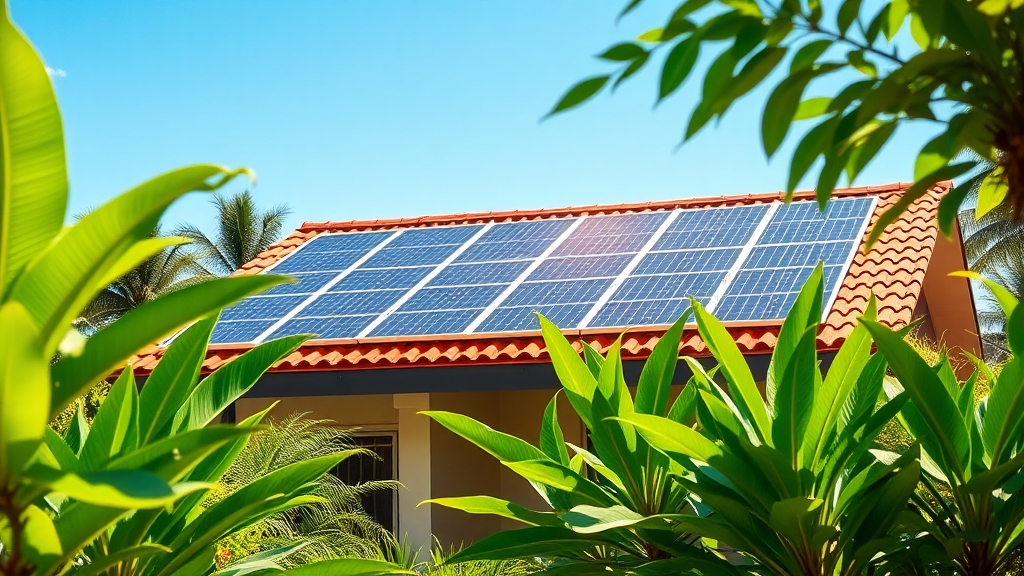
Pag-IBIG Solar Loan 2026: Complete Guide to Financing Solar with Housing Loans
Looking to go solar but don't have ₱300,000–₱500,000 in cash? Your Pag-IBIG housing loan might be the solution. The Home Development Mutual Fund (HDMF) allows qualified members to finance solar panel installations as part of their home improvement loan—potentially turning your electricity savings into your monthly loan payment.
Can You Really Use Pag-IBIG for Solar?
Yes. Pag-IBIG's housing loan program explicitly allows solar panel installations as a "home improvement" use of funds. Since 2015, Filipino homeowners have used Pag-IBIG financing to install solar, with the loan amount counted against the ₱6 million maximum housing loan limit.
In 2026, with solar system costs at historic lows (₱55–75/watt installed), a ₱300,000–₱500,000 Pag-IBIG solar loan can now cover a complete 5–8 kW residential system.
Pag-IBIG Solar Loan: Key Terms for 2026
| Parameter | Details |
|---|---|
| Maximum Solar Loan | ₱500,000 (or up to ₱6M total housing loan) |
| Interest Rate | 7.125%–9.750% annually |
| Loan Terms | Up to 30 years |
| Processing Time | Several weeks (housing loan) |
| Eligibility | 24 months contributions, no defaults |
2026 Interest Rate Table
| Fixing Period | Interest Rate |
|---|---|
| 10 years | 7.125% |
| 15 years | 7.750% |
| 20 years | 8.500% |
| 25 years | 9.125% |
| 30 years | 9.750% |
How Much Can You Borrow for Solar?
| Loan Amount | 20-Year Monthly Payment | Solar System Size | Est. Monthly Savings |
|---|---|---|---|
| ₱300,000 | ~₱2,600/month | 3–4 kW | ₱3,000–₱5,000 |
| ₱400,000 | ~₱3,500/month | 5–6 kW | ₱5,000–₱7,000 |
| ₱500,000 | ~₱4,350/month | 7–8 kW | ₱7,000–₱10,000 |
Based on 8.5% 20-year Pag-IBIG housing loan rate.
The math often works: Monthly loan payments are frequently lower than your current electric bill—meaning you could be cash-flow positive from Day 1.
Eligibility Requirements
Basic Pag-IBIG Requirements
- Active Pag-IBIG membership
- At least 24 months of contributions
- No defaulted Pag-IBIG loans (foreclosed, cancelled, or delinquent)
- Must meet age and income requirements
- Monthly payment cannot exceed 35% of gross monthly income
For Solar-Specific Financing
- Property must be owned or with long-term lease rights
- Clear property title (no legal disputes)
- Roof suitable for solar installation
- DOE-accredited installer quote and specifications
Application Process: Step-by-Step
Step 1: Check Your Eligibility
- Log in to Virtual Pag-IBIG (pagibigfundservices.com)
- Check your loan eligibility and maximum loanable amount
- Calculate: How much can you borrow while keeping payments under 35% of income?
Step 2: Get a Solar Installer Quote
- Contact a DOE-accredited installer
- Request a detailed quote with system size, equipment specs, and turnkey price
- Get at least 3 quotes for comparison
Step 3: Prepare Documentation
- Valid government-issued ID
- Pag-IBIG Loyalty Card Plus or Landbank Cash Card
- Employment certification
- Property documents (title, tax declaration)
- Solar installer quote
Step 4: Submit Application
- Apply via Virtual Pag-IBIG or at nearest Pag-IBIG branch
- Upload completed housing loan application form
- Submit required documents and pay processing fee
Step 5: Wait for Approval
- Housing loan processing: several weeks
- Pag-IBIG will conduct property appraisal
- Approval notification via SMS and email
Step 6: Install Solar (After Loan Release)
- Coordinate with your installer
- Schedule installation and commissioning
- Apply for net metering with your utility
Pag-IBIG Solar vs. Other Financing Options
| Option | Pros | Cons |
|---|---|---|
| Pag-IBIG Housing Loan | Low rates (7–10%), long terms | Requires housing loan application |
| Bank Green Loan | Competitive rates | Strict requirements |
| Rent-to-Own (RTO) | ₱0 upfront | Higher total cost |
| GSIS Ginhawa Loan | 5% p.a. for govt employees | Only for GSIS members |
| Cash Purchase | No interest | Requires large upfront capital |
Maximizing Your Pag-IBIG Solar Loan
Sizing Tips
- Don't oversize: Match system to your actual daytime consumption
- Consider net metering: If you'll export excess, a slightly larger system makes sense
- Factor in rate increases: Electricity rates rise ~5–7% annually
Combining with Other Programs
- Net Metering: Sell excess solar back to the grid for credits
- Energy audit first: Reduce consumption before sizing your system
- VAT exemption: RA 9513 may exempt solar equipment from VAT
Common Pitfalls to Avoid
- ⚠️ Unscrupulous installers: Use only DOE-accredited companies
- ⚠️ Biting off more than you can chew: Payment must stay under 35% of income
- ⚠️ Skipping net metering: Without it, excess solar is wasted
- ⚠️ Not reading the fine print: Understand prepayment penalties and late fees
Is Pag-IBIG Solar Loan Right for You?
Best for:
- Homeowners with existing Pag-IBIG housing loans
- Members with stable employment and income
- Those wanting long-term, fixed-rate financing
- Borrowers who prefer government-backed loans
Consider alternatives if:
- You need solar immediately (housing loan takes weeks)
- You don't meet the 24-month contribution requirement
- You already have high debt obligations
Conclusion
Pag-IBIG's solar financing program represents one of the most accessible pathways to residential solar in the Philippines. With interest rates of 7–10% and terms up to 30 years, the monthly payments often become lower than your electric bill—creating immediate positive cash flow.
FAQ
How long does Pag-IBIG solar loan approval take? Housing loan processing takes several weeks. Apply early if you have a timeline.
What's the maximum I can borrow for solar? Up to ₱500,000 for solar specifically, or up to ₱6 million for total housing loan.
Can I apply even with an existing Pag-IBIG loan? Yes, but your total debt-to-income ratio must remain under 35%.