
Lower Luzon Power: 5 Cost-Saving Tips
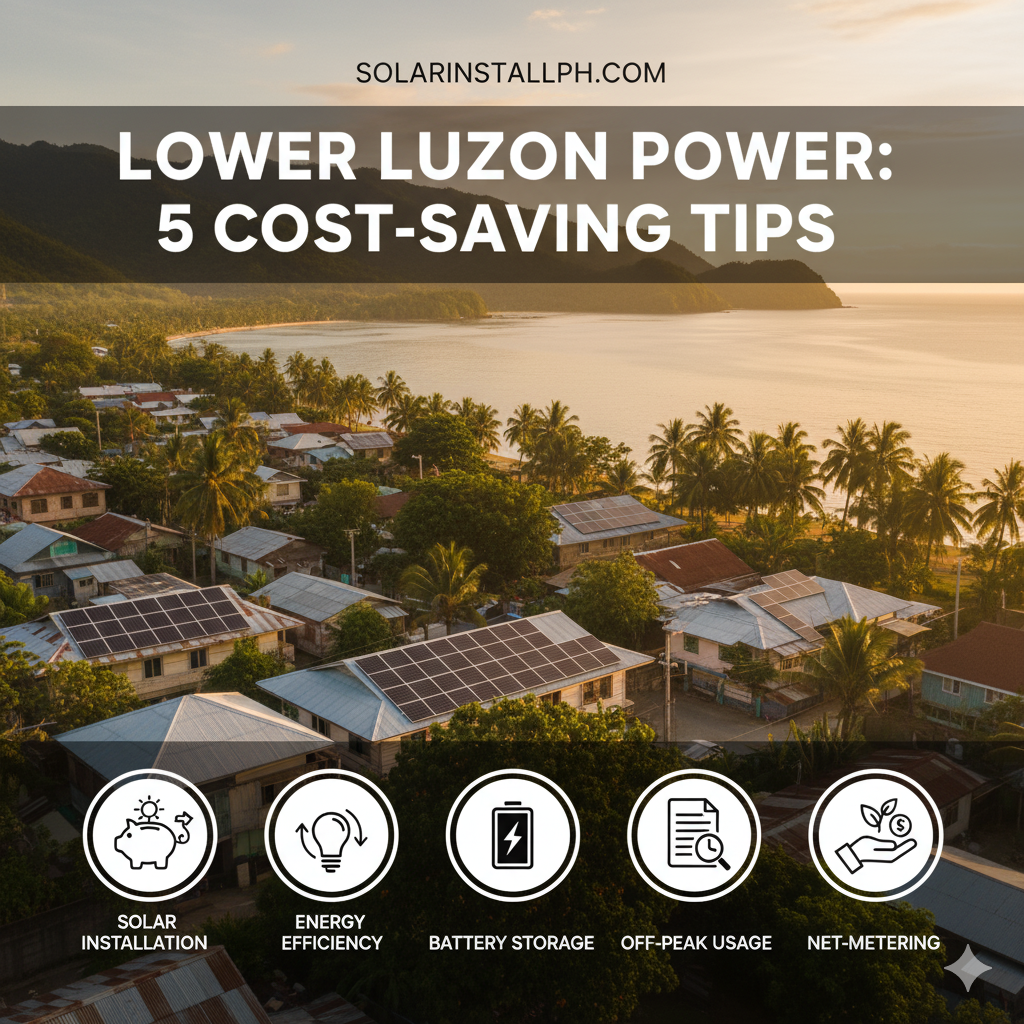
For residents across Lower Luzon, from the bustling industrial parks of CALABARZON to the vibrant coastal communities of Bicol, the monthly electricity bill often feels like an uncontrollable burden. The region, a critical engine for the nation's economy, is unfortunately home to some of the highest power rates in the Philippines. This persistent financial pressure, driven by grid instability and a reliance on imported fuels, leaves many households feeling powerless. But a significant trend is proving that homeowners are not helpless. The "comeback" in this scenario isn't a drop in grid prices, but a surge in consumer empowerment. By adopting a strategic approach to energy consumption, households can seize control of their expenses. It's not about sacrificing comfort; it's about being smarter with power. Here are five data-driven, cost-saving tips designed specifically for the Lower Luzon homeowner.
1. Vanquish the "Phantom Load" and Master Your Daily Habits
One of the most significant yet invisible drains on your household budget is "phantom load," also known as standby power. This is the electricity consumed by appliances and electronics even when they are turned off but still plugged in. In a typical Filipino home, devices like televisions, digital cable boxes, game consoles, and phone chargers continuously draw a small amount of power, waiting for a signal from a remote or to display a standby light. Individually, the consumption is minuscule, but collectively, it can account for 5% to 10% of your total monthly electricity usage.
The solution is a simple but powerful behavior shift: unplug devices when they are not in use. Use power strips with on/off switches to easily disconnect a cluster of electronics, such as your entertainment center or computer workstation, with a single flick. Beyond unplugging, embrace the natural advantages of our tropical climate. Maximize the use of natural light during the day by opening curtains and blinds, reducing the need for artificial lighting. Strategic cross-ventilation, by opening windows on opposite sides of a room, can create a natural breeze that often lessens the need for an electric fan or can supplement your air conditioner, allowing you to use it at a lower setting. These are not just cost-saving measures; they are a return to a more conscious and sustainable lifestyle, a small but critical first step in managing your power consumption.
2. Leverage the Peak/Off-Peak Program to Your Advantage
Your electric utility doesn't charge a flat rate for power throughout the entire day. For many customers in the Meralco franchise area, which covers a vast portion of Luzon, electricity is priced differently depending on the time of day. This is known as a Time-of-Use or "Peak/Off-Peak" rate structure. Understanding and exploiting this system is one of the most effective strategies for cutting costs without reducing your overall energy use. You simply shift when you use it.
Peak hours, when demand on the grid is highest and electricity is most expensive, are typically from 8:00 AM to 9:00 PM on Mondays through Saturdays. Off-peak hours, when electricity is significantly cheaper, are from 9:00 PM to 8:00 AM on weekdays and nearly the entire day on Sunday. The financial difference is substantial. By strategically scheduling the use of your most energy-hungry appliances during these off-peak periods, you can realize immediate savings. High-wattage appliances like washing machines, clothes dryers, and electric water heaters are prime candidates for this shift. Instead of doing laundry on a Saturday afternoon, plan to run the washing machine after 9:00 PM or on a Sunday morning. If you use an electric water heater for your morning shower, you're already taking advantage of the off-peak rate. Aligning your household chores with the utility's off-peak schedule is a powerful and free way to lower your monthly bill.
3. Embrace the Inverter Revolution and Choose Efficient Appliances
The appliances in your home are not created equal when it comes to energy consumption. The two biggest culprits behind high electricity bills in the Philippines are almost always the refrigerator and the air conditioner. These devices run for hours on end and can account for over half of a household's total power usage. The single most effective way to tackle this is by investing in appliances with inverter technology.
Traditional, non-inverter appliances operate on a simple start-stop cycle. An air conditioner, for example, runs its compressor at maximum speed until the room reaches the desired temperature, then shuts off completely. When the temperature rises, it starts up again at full power. These constant start-ups are incredibly inefficient and cause power spikes. Inverter technology, in contrast, works like a car's accelerator. The compressor starts slowly and then adjusts its speed continuously to maintain the set temperature, avoiding the power-guzzling start-stop cycle. This results in energy savings of 30% to 50% compared to conventional models. When buying new appliances, look for the bright yellow Philippine Energy Label, which clearly displays the estimated energy consumption and provides a star rating for efficiency. While inverter appliances may have a higher upfront cost, the dramatic reduction in your monthly electricity bill means the investment pays for itself over time, delivering comfort without the crippling expense.
4. Optimize Your Cooling Strategy for the Tropical Climate
In a country where heat and humidity are constants, the air conditioner is less a luxury and more a necessity. However, how you use it makes all the difference between a comfortable home and a shocking electricity bill. Many Filipinos make the common mistake of setting their AC to the coldest temperature, believing it will cool the room faster. This is not only ineffective but also highly inefficient. The optimal and most energy-efficient temperature setting for an air conditioner in our climate is between 24°C and 26°C. Each degree cooler can increase your electricity consumption by up to 10%.
To maximize your cooling efficiency, combine your air conditioner with an electric fan. The fan helps circulate the cool air more effectively throughout the room, creating a "wind chill" effect that makes it feel cooler than the actual thermostat setting. This allows you to set the AC to a higher temperature while maintaining the same level of comfort. Furthermore, regular maintenance is non-negotiable. Dirty, clogged air filters restrict airflow and force the unit to work harder, consuming more energy. Make it a habit to clean your AC filters at least once a month. This simple, no-cost task can improve your unit's efficiency by 5% to 15%, ensuring you get the most cooling power for every peso spent.
5. The Ultimate Cost-Saving Weapon: Generate Your Own Power
The preceding tips offer significant ways to manage and reduce your electricity costs, but they still operate within the framework of being a passive consumer. The ultimate strategy for winning the war against high power bills in Lower Luzon is to change the game entirely: become your own power producer. The solar revolution is no longer a futuristic concept; it is a present-day reality and the most powerful comeback a homeowner can make. By installing a solar panel system on your roof, you move from being a mere ratepayer to an active participant in the energy market.
The financial case for solar power is more compelling than ever. Through the Net-Metering program, any excess electricity your solar panels generate is automatically exported to the grid, and your utility company must credit you for it. These credits then offset the power you draw from the grid at night or on overcast days. This mechanism allows you to drastically reduce, or even completely eliminate, your monthly electricity bill. The long-term financial benefits are profound, and a properly calculated solar ROI often shows a payback period of just a few years, after which the electricity you generate is virtually free.
Making the switch to solar is a significant decision, and success lies in a well-planned approach. The first step is to determine the correct system for your needs through a professional solar sizing assessment, which analyzes your current consumption to ensure your system is neither too small to be effective nor too large to be economical. The quality of the installation is paramount to the system's performance and longevity. Working with reputable and experienced professionals, such as dedicated CALABARZON solar installers, ensures that your system is designed and installed to the highest standards, maximizing its output for decades. The entire solar install process, from initial consultation to grid connection, is more streamlined than ever. Ultimately, the move to solar power offers a wealth of solar benefits that go far beyond just financial savings, providing energy security, increasing your property's value, and contributing to a cleaner, more sustainable future for the Philippines.