
Understanding the Terms and Conditions of In-House Solar Financing Agreements
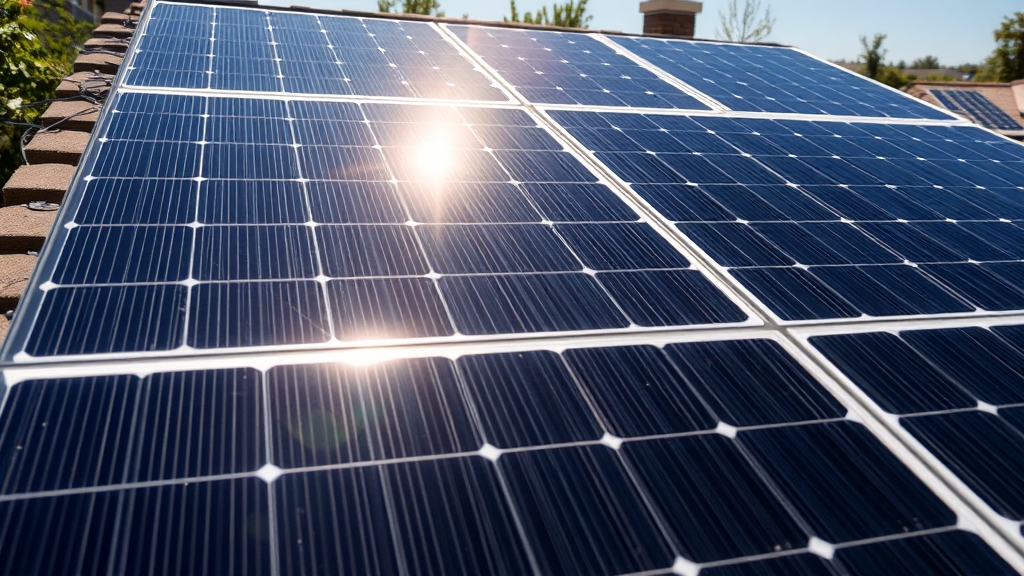
The Philippine solar industry has experienced remarkable growth in recent years, with more homeowners and businesses recognizing the long-term financial benefits of renewable energy. As installation costs remain substantial for many Filipino families, in-house solar financing has emerged as a popular alternative to traditional bank loans, offering streamlined approval processes and competitive terms. However, the convenience of installer-provided financing comes with complex agreements that require careful examination before signing.
What is In-House Solar Financing?
In-house solar financing refers to loan programs offered directly by solar installation companies rather than traditional financial institutions. These arrangements allow customers to purchase solar systems through monthly installments while the installer handles both the equipment provision and financing aspects of the transaction. Unlike bank loans that require separate applications and approvals, in-house financing integrates the purchase and payment process into a single agreement.
The appeal of this financing model lies in its accessibility and convenience. Solar installers often have more flexible qualification criteria compared to banks, making solar energy accessible to homeowners who might not qualify for traditional loans. Additionally, the streamlined process eliminates the need to navigate multiple institutions, as customers can arrange both installation and financing through a single provider.
Key Terms and Conditions to Examine
Interest Rates and Annual Percentage Rate (APR)
The most critical aspect of any financing agreement is the cost of borrowing. In-house solar financing typically offers interest rates ranging from 8% to 15% annually, though rates can vary significantly based on creditworthiness and loan terms. When evaluating solar loan comparison options, it's essential to understand the difference between the stated interest rate and the APR, which includes additional fees and charges.
Some installers advertise promotional rates that may increase after an introductory period. Others offer fixed rates throughout the loan term, providing predictable monthly payments. Variable rate agreements can result in payment fluctuations based on market conditions, potentially affecting long-term budgeting plans.
Loan Duration and Payment Structure
Financing terms typically range from 5 to 20 years, with longer terms resulting in lower monthly payments but higher total interest costs. The payment structure may include equal monthly installments or graduated payments that start lower and increase over time. Some agreements include balloon payments, where a substantial final payment is required at the end of the term.
Understanding the payment schedule is crucial for budget planning. Late payment penalties can range from 1% to 3% of the overdue amount per month, significantly increasing the total cost if payments are missed. Some agreements include grace periods, while others impose penalties immediately after the due date.
Equipment Ownership and Title Transfer
One of the most important distinctions in solar financing involves equipment ownership. In traditional purchase agreements with financing, customers own the solar system from installation, even while making payments. However, some in-house financing arrangements operate more like lease agreements, where the installer retains ownership until the final payment is made.
Ownership affects several important factors, including eligibility for government incentives, insurance coverage, and the ability to modify or expand the system. Customers should verify whether they can claim solar tax navigating benefits and renewable energy incentives under their specific agreement structure.
Warranty Coverage and Maintenance Responsibilities
Solar financing agreements should clearly outline warranty coverage for both equipment and installation work. Standard manufacturer warranties typically cover panels for 20-25 years and inverters for 10-15 years. However, the financing agreement may include additional coverage or modify standard warranty terms.
Maintenance responsibilities vary significantly between agreements. Some installers include routine maintenance and monitoring services as part of the financing package, while others require customers to arrange and pay for these services separately. Understanding these obligations helps avoid unexpected costs and ensures optimal system performance throughout the loan term.
Hidden Costs and Fee Structures
Origination and Processing Fees
Many in-house financing agreements include upfront fees that may not be immediately apparent during initial discussions. Origination fees typically range from 1% to 3% of the loan amount and cover administrative costs associated with processing the application. Some installers absorb these costs as part of their competitive strategy, while others pass them directly to customers.
Processing fees may include credit check costs, document preparation charges, and system design fees. These costs can add several thousand pesos to the total project cost, making it essential to request a comprehensive breakdown of all fees before signing any agreement.
Insurance and Protection Plan Requirements
Financing agreements often require customers to maintain specific insurance coverage throughout the loan term. This may include homeowner's insurance with adequate coverage for the solar system's value, as well as specialized solar equipment insurance. Some installers offer protection plans that combine equipment insurance with extended warranties, though these services come at additional cost.
The requirement to purchase insurance through specific providers or maintain minimum coverage levels can significantly impact the total cost of ownership. Customers should compare insurance options independently and verify whether existing homeowner's policies provide adequate coverage.
Prepayment Penalties and Early Termination Clauses
While many borrowers appreciate the option to pay off loans early, some financing agreements include prepayment penalties that discourage this practice. These penalties may apply to the full loan term or only during the initial years. Understanding prepayment terms is particularly important for customers who may receive windfall payments or plan to refinance at better rates.
Early termination clauses outline the process and costs associated with ending the agreement before completion. This may be relevant if customers decide to sell their property, upgrade their system, or experience financial difficulties requiring loan modification.
Comparing In-House vs. Traditional Financing
Approval Process and Timeline
In-house financing typically offers faster approval compared to traditional bank loans. While banks may require extensive documentation and take several weeks for approval, solar installers often provide same-day or next-day decisions. This speed advantage comes from streamlined processes and the installer's familiarity with solar project financing.
However, faster approval doesn't necessarily mean better terms. Banks and credit unions may offer lower interest rates and more favorable conditions for qualified borrowers. Bank solar loan reqs vary significantly, but the additional documentation requirements often result in more competitive rates for creditworthy applicants.
Flexibility and Customization Options
Traditional lenders typically offer more standardized loan products with limited customization options. In-house financing may provide greater flexibility in structuring payments, adjusting terms based on seasonal income variations, or accommodating unique financial circumstances.
This flexibility can be particularly valuable for business owners, farmers, or others with irregular income patterns. Some installers offer payment schedules aligned with harvest seasons or business cycles, making solar adoption more accessible for diverse customer segments.
Long-term Relationship and Support
Choosing in-house financing creates an ongoing relationship with the solar installer throughout the loan term. This can provide advantages in terms of system support, maintenance coordination, and warranty service. However, it also creates dependency on a single provider for both technical and financial services.
If the installer experiences business difficulties or changes ownership, customers may face challenges in obtaining support or resolving disputes. Traditional lenders separate the financing and installation aspects, potentially providing more stability in the financial relationship.
Legal Protections and Consumer Rights
Regulatory Oversight and Compliance
Solar financing agreements in the Philippines are subject to various consumer protection laws and regulations. The Bangko Sentral ng Pilipinas (BSP) oversees lending practices, while the Department of Trade and Industry (DTI) handles consumer protection issues. Understanding these regulatory frameworks helps customers recognize their rights and available recourse options.
The Securities and Exchange Commission (SEC) regulates non-bank financial institutions that may be involved in solar financing. Customers should verify that their financing provider operates under appropriate licenses and regulatory oversight.
Dispute Resolution Mechanisms
Financing agreements should include clear procedures for resolving disputes related to both financial and technical issues. This may involve internal company procedures, third-party mediation, or formal legal processes. Understanding these mechanisms before signing helps customers prepare for potential conflicts.
Some agreements include mandatory arbitration clauses that limit customers' ability to pursue legal action through traditional courts. While arbitration can be faster and less expensive than litigation, it may also limit available remedies and appeal options.
Cancellation Rights and Cooling-off Periods
Philippine consumer protection laws provide certain cancellation rights for major purchases, though these may be limited for customized installations. Some financing agreements include voluntary cooling-off periods that allow customers to cancel within a specified timeframe without penalty.
Understanding cancellation rights is particularly important given the substantial financial commitment involved in solar installations. Customers should clarify whether they can cancel if installation is delayed, equipment specifications change, or personal circumstances require modification of the agreement.
Making Informed Decisions
Due Diligence and Professional Review
Before signing any financing agreement, customers should conduct thorough due diligence on both the installer and financing terms. This includes verifying the company's DOE accredited installer status, checking customer references, and reviewing complaint records with relevant regulatory agencies.
Professional review by an attorney or financial advisor can help identify potential issues and ensure full understanding of the agreement terms. While this represents an additional cost, it can prevent much larger problems later in the relationship.
Negotiation Strategies and Alternative Options
Many aspects of in-house financing agreements are negotiable, particularly for customers with strong credit profiles or those considering multiple installers. Interest rates, fees, payment schedules, and warranty terms may all be subject to modification based on competitive pressures and customer qualifications.
Customers should obtain solar quote breakdown-ph information from multiple providers and use this information to negotiate better terms. Even small improvements in interest rates or fee structures can result in substantial savings over the loan term.
Long-term Financial Planning
Solar financing represents a long-term financial commitment that should align with broader household or business financial goals. Customers should consider how monthly payments will affect their budget over the entire loan term, including potential changes in income, expenses, or energy needs.
The decision between in-house and traditional financing should consider not only immediate convenience but also long-term financial optimization. While in-house financing may offer easier approval, traditional loans might provide better overall value for qualified borrowers.
Understanding the terms and conditions of in-house solar financing agreements requires careful attention to multiple complex factors. While these arrangements offer valuable accessibility and convenience benefits, customers must thoroughly evaluate interest rates, fees, ownership structures, and legal protections before committing to long-term agreements. By conducting proper due diligence and seeking professional guidance when needed, Filipino homeowners and businesses can make informed decisions that maximize the financial benefits of solar energy adoption while minimizing potential risks and complications.