
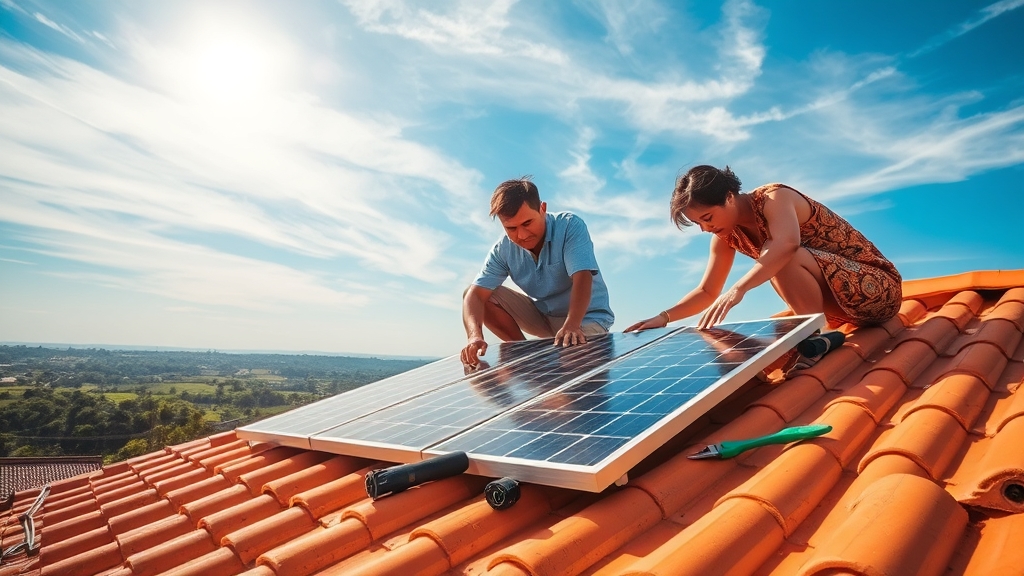
DIY Solar Installation in the Philippines: Why Professional Installation Matters
DIY Solar Installation in the Philippines: Why Professional Installation Matters More Than You Think
A Solar Photovoltaic (PV) system is a technology that converts sunlight directly into electricity using semiconductor materials, typically silicon-based solar panels. In the Philippines, residential solar PV systems typically consist of solar panels, an inverter to convert DC power to AC power, mounting structures, wiring, and sometimes battery storage for off-grid or backup applications. With electricity rates in the country averaging ₱10 to ₱15 per kilowatt-hour and climbing annually, many Filipino homeowners are exploring solar energy as a cost-effective alternative. However, the rise of "do-it-yourself" solar tutorials online has created a dangerous temptation: attempting to install these complex electrical systems without professional guidance. While the Filipino spirit of sariling sikap (self-reliance) is admirable, solar installation is one area where professional expertise isn't just recommended—it's essential for your safety, your investment, and your community.
The Allure of DIY Solar: Why It's So Tempting
The appeal of DIY solar installation in the Philippines is understandable. Online tutorials promise savings of ₱30,000 to ₱100,000 in installation costs. Social media groups are filled with success stories of homeowners who "did it themselves" and now enjoy free electricity from the sun. According to the Department of Energy (DOE), residential solar installations in the Philippines grew by 156% from 2020 to 2023.
Furthermore, the sariling sikap culture runs deep in Filipino households. From repairing appliances to building furniture, many Filipinos take pride in their ability to solve problems independently.
The Technical Gauntlet: More Than Meets the Eye
What these tutorials don't show is the extensive technical knowledge required for a safe and functional solar installation.
System Sizing and Energy Audit
Professional solar installers begin with a comprehensive energy audit of your home, analyzing your average monthly consumption, peak usage hours, and seasonal variations. According to the Philippine Solar Energy Society (PSES), incorrectly sized systems account for 23% of residential solar installations that fail to meet homeowner expectations within the first year.
Electrical Design and Load Calculations
Sizing solar panels is only the beginning. Installers must calculate string configuration based on inverter specifications, maximum power point tracking (MPPT) requirements, circuit breaker sizing and coordination, grounding requirements per the Philippine Electrical Code (PEC), and voltage drop calculations for optimal efficiency.
Licensed Electrical Engineer Maria Christina Santos explains: "I regularly encounter DIY installations where panels are connected incorrectly, resulting in significant power losses—sometimes 15-30% below the system's potential."
Roof Structural Assessment
Your roof must be evaluated for structural integrity. Solar panels, mounting structures, and the dynamic loads they create during typhoons require engineering calculations.
The Safety Imperative: Risks You Cannot Afford to Ignore
Electricity does not forgive mistakes.
Electrical Shock and Arc Flash Hazards
Solar panels generate electricity immediately upon exposure to light—no switch required. According to OSHA Philippines data, electrical accidents in the construction sector have a fatality rate 10 times higher than other workplace accidents.
Fire Hazards
Poor connections, undersized wiring, and incorrect fuse sizing are leading causes of electrical fires. The Bureau of Fire Protection (BFP) reports that electrical faults cause approximately 28% of residential fires in the Philippines.
Typhoon Readiness
The Philippines experiences an average of 20 typhoons annually. Professional installers calculate wind load ratings and use typhoon-rated mounting systems certified by the Department of Public Works and Highways (DPWH).
The Regulatory Maze: Navigating Philippine Requirements
Most municipalities and cities require electrical permits for solar installations exceeding certain capacity thresholds. These permits require submission of electrical plans signed by a Licensed Electrical Engineer (LEE).
For grid-tied systems participating in the net metering program, coordination with your local distribution utility (Meralco, local electric cooperatives) is mandatory.
The Financial Fallout: When Savings Become Losses
Manufacturer Warranty Voidance
Most major solar panel manufacturers specify that installations must be performed by authorized or certified installers to maintain product warranties. DIY installations commonly void warranties ranging from 10 to 25 years on panels and 5 to 10 years on inverters.
Workmanship Warranty Protection
Reputable solar installation companies provide workmanship warranties—typically 2 to 5 years—covering the quality of their installation labor. A DIY installation has no such protection.
System Efficiency and ROI Impact
The Solar Energy Industries Association (SEIA) estimates that professionally installed systems outperform DIY installations by an average of 12-18% in annual energy production.
The Verdict: Why Professional Installation Is Non-Negotiable
After examining the technical requirements, safety hazards, regulatory complexities, and financial implications, the conclusion becomes clear: DIY solar installation in the Philippines is a risk not worth taking.
Professional installers bring:
- Licensed expertise
- Permit handling experience
- Insurance protection
- Quality assurance
- Long-term support
The sariling sikap spirit is admirable, but it belongs in areas where mistakes carry manageable consequences—not in high-voltage electrical systems that could endanger your family, your home, and your community.
Frequently Asked Questions
Can I legally install solar panels myself in the Philippines?
For grid-tied systems with capacities over 1 kilowatt, Philippine regulations require electrical permits and plans signed by a Licensed Electrical Engineer.
How much does professional solar installation cost compared to DIY?
Professional installation typically costs between 15-25% of the total system price.
What happens if my DIY solar installation causes a fire?
You as the homeowner bear full liability for property damage, potential injury to occupants or neighbors, and any legal consequences.
Are there any circumstances where DIY solar installation is acceptable?
Small portable solar kits (under 300 watts) designed for camping or emergency use may be used by homeowners without professional installation.