
Maintain Your System: A How-To Guide
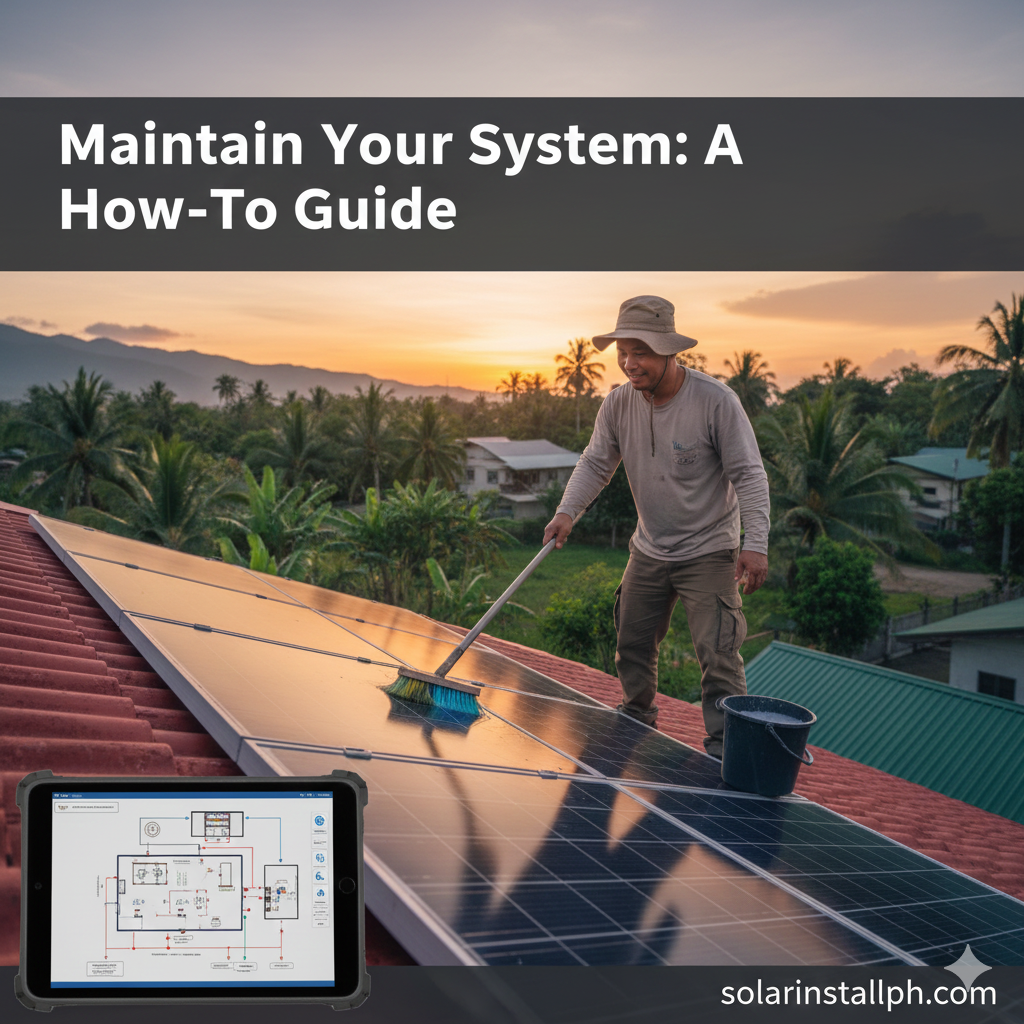
You have invested anywhere from ₱200,000 to over a million pesos in a solar PV system. The panels are up, the inverter is humming, and your Meralco bill has dropped significantly. The temptation now is to sit back, forget about the equipment on your roof, and simply enjoy the savings.
This is a mistake.
While solar systems are marketed as low-maintenance, they are not no-maintenance. In the Philippines, your equipment is exposed to extreme UV radiation, torrential typhoon rains, urban pollution, bird droppings, and salt spray in coastal provinces. Neglecting basic upkeep leads to lower energy production, extended payback periods, and potential safety hazards.
This guide covers exactly how to maintain your solar investment to ensure it performs efficiently for 25 years or more.
The Reality of Philippine Solar Maintenance
There is a common misconception that the heavy rains during the Philippine wet season are sufficient to keep panels clean. While a strong downpour can wash away loose dust, it does not remove stuck-on grime, bird droppings, or the sticky film created by vehicle exhaust in urban areas like Metro Manila or Cebu City.
Over time, this buildup creates "soiling losses." In high-pollution areas or during the dry season (March to May), soiling can reduce your system's output by 5% to 15%. On a 5kW system, a 15% loss is significant enough to notice on your monthly bill.
Furthermore, maintenance isn't just about cleaning panels. It involves checking the electrical integrity of the system. Loose connections caused by thermal expansion and contraction (hot days, cool nights) can lead to arcing and fire risks.
Cleaning Your Solar Panels: Best Practices
For most residential systems, cleaning is the most frequent maintenance task you will face. You do not always need a professional for this, provided your roof is accessible and safe to walk on.
Safety First
Before you touch anything, shut down the system. Turn off the AC isolator (usually near the inverter) and the DC isolator (usually near the inverter or on the roof). This ensures you are not working with live electricity while handling water.
Timing
Never clean solar panels during the hottest part of the day (10:00 AM to 3:00 PM). Spraying cold water on hot glass can cause thermal shock, cracking the panel. The best time to clean is early morning (6:00 AM to 8:00 AM) or late afternoon.
The Cleaning Process
Visual Inspection: Look for cracks, chips, or discoloration before applying water.
Rinse: Use a standard garden hose with a gentle spray nozzle. Do not use a high-pressure washer. The pressure can damage the silicone seals around the frame and force water into the junction box.
Scrub (If Needed): If rinsing doesn't remove the dirt, use a soft sponge or a non-abrasive brush attached to a pole.
Detergent: generally, plain water is best. If you encounter oily residue (common near highways), use a tiny amount of mild dish soap. Avoid harsh chemicals or abrasive powders, as these can strip the anti-reflective coating on the glass.
Hard Water: If your tap water has high mineral content (hard water), squeegee the panels dry immediately to prevent calcium deposits (white spots) that can block sunlight.
If you are unsure about the schedule, you should understand how often to clean your panels based on your specific location—agricultural areas differ vastly from city centers.
Inverter Health Checks
The inverter is the hardworking brain of your system. While panels can last 25+ years, inverters typically have a lifespan of 10 to 15 years. Because they contain sensitive electronics, they are more prone to failure than the panels themselves.
Ventilation is Critical
In the Philippines, heat is the enemy of electronics. Ensure the inverter’s heatsink (the metal fins on the back) is not clogged with cobwebs, dust, or lizard nests. Electronics degrade faster when they run hot. If your inverter is installed outdoors, ensure it is shaded from direct afternoon sun. If it is indoors, ensure the area is well-ventilated.
Interpreting the Display
Make it a habit to check the inverter display or LED status lights once a week.
Solid Green: System is generating normally.
Flashing Green: Usually indicates startup or standby mode (common at dawn/dusk).
Red or Orange: This indicates a fault.
Modern inverters will display specific error codes. These might indicate grid voltage fluctuations (common in provinces with unstable electric coops), isolation faults (moisture getting into wires), or overheating. If you see a red light, note the code immediately. You can read our guide on deciphering inverter error codes to determine if it is a simple reset issue or a job for a professional.
Electrical and Structural Inspections
While cleaning keeps production high, structural and electrical inspections keep your home safe. The Philippine climate is harsh on materials. UV rays make plastic brittle, and typhoons test the mechanical strength of your mounting system.
Wiring and Conduits
Solar cables (PV wire) are UV rated, but the zip ties and conduits protecting them may not be.
Check for drooping wires: Wires should not touch the roof surface. If they rub against the roof during wind, the insulation can wear through, causing a ground fault.
Check for rodent damage: Rats and squirrels sometimes chew on cables. Exposed copper is a fire hazard.
Conduit integrity: Ensure the PVC pipes or metal conduits carrying wires down to your inverter are intact and not cracking.
Proper checking of solar wiring is best done by a qualified electrician, but a visual check from the ground or a safe vantage point can help you spot obvious issues early.
Mounting Hardware
After every major typhoon season (usually around December), it is wise to inspect the mounting system.
Clamps: Are the mid-clamps (between panels) and end-clamps (at the edges) still tight?
Rust: If you live near the coast, look for signs of galvanic corrosion where aluminum meets stainless steel or galvanized iron.
Roof Penetrations: Check the area where the solar mounts attach to your roof. If you see water stains on your ceiling inside the house, you may have a compromised flashing or sealant failure on the roof.
Monitoring System Performance
You cannot manage what you do not measure. Most modern grid-tied systems come with a monitoring app (like FusionSolar, ShinePhone, or Sunny Portal).
Daily vs. Monthly Checks
You don't need to obsess over the app daily, but you should look at the monthly trends. Compare this year's generation for May against last year's May. A slow, gradual decline is normal (panels degrade about 0.5% to 0.7% per year). A sudden drop of 20% indicates a problem—likely a blown bypass diode, a string outage, or heavy shading.
The "Bill Test"
The ultimate reality check is your electricity bill. If your usage habits haven't changed but your Meralco bill is creeping up, your system might be underperforming. This is often the first sign that you need routine solar panel maintenance or a technical checkup.
Seasonal Maintenance Calendar
To make this manageable, follow this rough schedule adapted for the Philippine climate:
January - February (Cool Dry Season)
Review Performance: Check the total generation from the past year.
Visual Check: Look for any damage left over from the late-year typhoons.
March - April (Hot Dry Season)
Peak Production: This is when your system produces the most power.
Cleaning: Dust accumulation is highest now. Plan a cleaning session in mid-March to maximize harvest during these peak sun months.
Ventilation: Check inverter fans and heatsinks before the intense summer heat sets in.
June - October (Wet/Typhoon Season)
Tree Trimming: Trees grow fast in the rainy season. specific branches might now be casting shadows on your roof. Trim them back.
Post-Storm Checks: After any major typhoon, wait for the weather to clear and inspect the panels for impact damage from flying debris.
DIY vs. Professional Maintenance
Homeowners often ask: "Can I do this myself?"
You can DIY if:
You have a one-story house or a flat roof deck.
You are comfortable on a ladder.
The maintenance is limited to washing panels with water and a soft brush.
You are simply reading error codes off a screen.
Call a Professional if:
You have a steep roof or a multi-story home.
You see loose wires or exposed copper.
The inverter shows an "Isolation Fault" or "Ground Fault."
You suspect the mounting rails are loose.
You need to open the AC or DC disconnect boxes.
Attempting complex electrical repairs yourself is dangerous and will likely void your warranties. Professional maintenance packages are available and often worth the cost for the peace of mind.
Long-Term Value Protection
Maintenance is not just about keeping the lights on today; it is about protecting your asset value. A well-maintained system will degrade slower. While degradation is inevitable, keeping the cells cool (by keeping them clean) and ensuring electrical connections are tight can help maximize the system's lifespan.
When you eventually sell your property, a solar system with a documented maintenance history adds value. A neglected system with corroded mounts and mossy panels is a liability that a home buyer will want removed.
Conclusion
Solar power in the Philippines is a robust technology capable of withstanding our unique mix of blistering heat and heavy storms. However, it relies on the owner to perform basic vigilance.
Keep it clean, keep it cool, and keep an eye on the wires. If you treat your solar system as a valuable utility asset rather than a magic box on the roof, it will continue to provide free electricity for decades to come.
Quick Checklist for Owners
Monthly: Check inverter LED lights/error codes.
Quarterly: Wash panels (more often if near construction or main roads).
Bi-Annually: Trim shading trees; check for rodent activity.
Annually: Professional electrical and torque check (recommended).