
DIY Affordable Pinoy Solar Installation
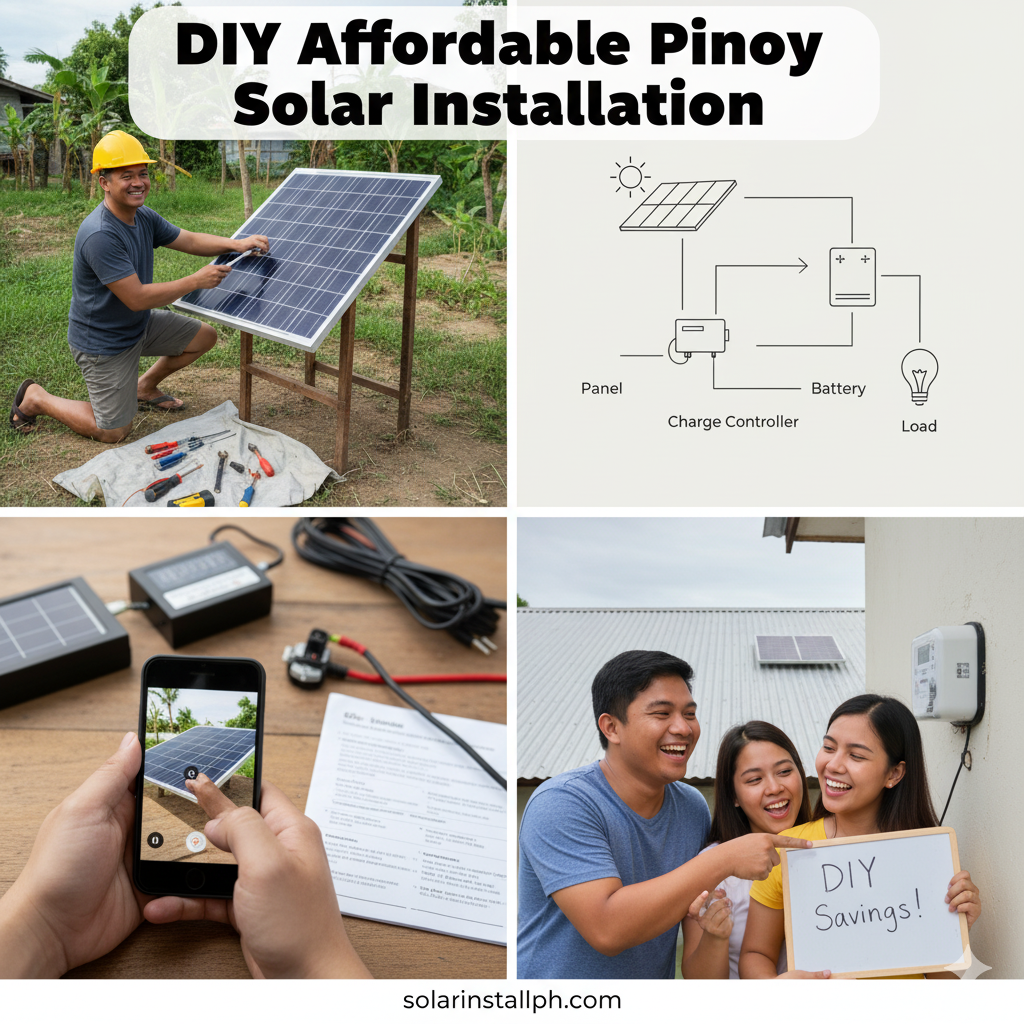
The Filipino spirit is defined by resourcefulness. We are a nation of "do-it-yourselfers," known for our ability to find creative solutions and make things work with our own hands. So, when faced with some of the highest electricity rates in Southeast Asia, it’s only natural that the idea of a DIY solar installation becomes incredibly appealing. The thought of cutting out the middleman, saving on labor costs, and personally building a machine that harnesses free energy from the sun is the ultimate Pinoy dream of practicality and self-reliance.
Online marketplaces and YouTube are filled with tutorials and kits that make it seem as simple as mounting a few panels, connecting some wires, and watching your Meralco meter grind to a halt. But before you add those solar panels to your online cart and dust off your toolbox, we need to have a serious talk.
When it comes to powering your entire home with a solar system connected to the grid, the line between "Do-It-Yourself" and "Destroy-It-Yourself" is dangerously thin. This guide will walk you through the realities of solar installation in the Philippines. We will uncover the critical, non-negotiable reasons why a full home system is not a DIY project, and then pivot to the safe, legal, and genuinely affordable DIY solar solutions that every Pinoy can actually embrace.
The Hard Truth: Why You Can't Legally (or Safely) DIY a Grid-Tied System
A grid-tied solar system is the most common type for homes. It’s the kind that works with your Meralco connection to drastically reduce your monthly bills through net metering. It is also a high-voltage power plant on your roof. Attempting to install one yourself is not just a bad idea; in the Philippines, it's illegal, and for very good reasons.
1. The Life-and-Death Safety Risks
This is the most important reason, and it cannot be overstated. The "savings" from DIY are instantly erased by a single accident.
Electrocution: A string of solar panels can generate up to 600 volts of Direct Current (DC). This is a lethal amount of electricity. Unlike the Alternating Current (AC) in your wall outlets, DC can cause continuous muscle contraction, making it impossible to let go. One wrong connection, one exposed wire, and you could be instantly killed. This danger doesn't end after installation; a faulty DIY connection can remain a hidden electrocution hazard for years.
Fire Hazards: According to fire prevention authorities worldwide, faulty electrical wiring is a leading cause of house fires. In a solar system, a loose connection, an improperly crimped wire, or using the wrong type of cable can create an arc fault—a high-power discharge of electricity that generates intense heat and can ignite your roof. A professional installer uses specific tools and techniques to ensure every connection is perfect and secure, a level of precision that is difficult to replicate without proper training.
Falls from Height: The most obvious risk is also one of the most deadly. Working on a roof is inherently dangerous. Professional installers use scaffolding, safety harnesses, and have extensive training to mitigate these risks. A fall from even a single-story house can result in life-altering injuries or death.
2. The Unbreakable Legal Wall
Even if you are willing to accept the immense safety risks, you will hit a wall of government regulations.
The Philippine Electrical Code (PEC): The law is crystal clear. The PEC, which is enshrined in the National Building Code (PD 1096), mandates that any electrical installation, including a solar PV system, must have its plans signed and sealed by a licensed Professional Electrical Engineer (PEE). There are no exceptions.
LGU Permits: Before any work can begin, you must secure an Electrical Permit and a Building Permit from your Local Government Unit (LGU). To get these permits, you need to submit the PEE-signed electrical plans. You cannot walk into your city hall as a homeowner and get a permit to install your own high-voltage electrical system.
The Meralco Barrier: This is the final gatekeeper. To connect your system to the grid and benefit from net metering, you must submit a formal application to Meralco. This application requires the PEE-signed plans, the LGU permits, and, after installation, a Certificate of Final Electrical Inspection (CFEI). Meralco will never connect an unpermitted, uninspected DIY system. Any attempt to bypass this process and connect your system directly is considered an illegal connection or "jumper," a crime punishable by hefty fines and imprisonment under the Anti-Pilferage of Electricity Act (RA 7832).
Trying to DIY a grid-tied system is a guaranteed path to failure, resulting in a pile of expensive equipment you can't legally use. It’s one of the costliest solar installation mistakes you can make.
The REAL Pinoy DIY Solar: Safe, Legal, and Truly Affordable
So, does this mean the DIY solar dream is dead? Absolutely not! It just means we need to shift our focus from the complex, high-voltage grid-tied system to the exciting world of plug-and-play solar.
Embrace Portable Solar Generators
This is the ultimate entry point for the Filipino DIY enthusiast. A portable solar generator is an all-in-one unit that contains a lithium-ion battery, an inverter, and a charge controller in a single, compact box. You don't "install" it; you simply use it.
How it Works: You charge the generator by plugging it into a wall outlet or, for true solar power, by connecting it to a foldable, portable solar panel. Once charged, you can plug your appliances directly into the generator's outlets.
What It Can Power: These devices are perfect for surviving brownouts or for everyday energy saving. A mid-sized unit can power your essentials for hours: a work-from-home setup (laptop, monitor, router), electric fans, lights, and charge all your gadgets. Larger models can even run a small refrigerator or a TV.
The Benefits:
Zero Installation, Zero Permits: It's a consumer electronic device, just like a power bank. It’s 100% legal and requires no electricians or paperwork.
Plug-and-Play: It is incredibly easy and safe to use.
Portability: You can use it at home, take it on camping trips, or bring it to your small business.
Affordability: Brands like Bluetti, EcoFlow, and others offer models starting from under ₱20,000, providing a taste of energy independence without a massive investment.
For the vast majority of Filipinos interested in DIY solar, a portable solar generator is the smartest, safest, and most practical answer.
Advanced DIY: Small, Isolated Off-Grid Systems
For the more adventurous DIYer with some basic low-voltage electrical knowledge, a small, standalone off-grid system can be a rewarding project. The key word here is isolated. This type of system must never be connected to your main house wiring.
Typical Use Cases: Powering lights and a fan in a garden kubo, a remote farm shed, a security outpost, or for a weekend beach hut.
The Components: This involves wiring together a 12V or 24V battery, a solar charge controller, a small inverter, and one or two solar panels.
The Caveat: While more hands-on, this still requires a solid understanding of battery safety (lead-acid batteries can release explosive gases) and proper wire sizing to prevent overheating. It's a great hobbyist project, but it is not a solution for powering your entire home.
Why Professional Installation is the Ultimate Budget Strategy for Your Home
This may sound counterintuitive, but for a whole-home, grid-tied system, hiring a professional is the best "budget" decision you can make in the long run. The upfront cost of a professionally installed budget panel setup is not just for labor—it’s an investment in safety, performance, and peace of mind.
You are paying for:
Safety & Compliance: A guarantee that the system is installed to the highest safety standards of the Philippine Electrical Code.
Expert Engineering: A PEE-designed system that is perfectly sized for your home, ensuring the fastest possible ROI.
Hassle-Free Paperwork: The installer handles the entire LGU permit and Meralco Net Metering guide application process.
Warranties: You get warranties on the components and a crucial workmanship warranty from the installer. If there’s a problem, you have a professional to call.
Optimal Performance: A pro installation ensures your system produces the maximum amount of power, leading to greater savings over its 25-year life. A poorly installed DIY system will underperform, costing you far more in lost savings than you "saved" on labor.
The wisest first step is to learn how to choose a solar company with a reputation for quality and transparency. Let them provide you with a quote for a right-sized starter system.
Conclusion: DIY Smart, Not Dangerous
The Filipino spirit of self-reliance is a powerful asset. The desire to build and save is something to be celebrated. But when it comes to solar power, we must channel that spirit wisely.
For a full home solution, the DIY path is a dangerous and illegal dead end. However, the true affordable Pinoy DIY solar solution is here, and it’s safer and more accessible than ever: start with a portable solar generator. Experience the magic of powering your devices with the sun, on your own terms.
When you're ready to take the next step and power your entire home, honor your investment and your family's safety by partnering with a professional. Let them handle the high-voltage work and the complex paperwork, so you can simply enjoy the benefits. For a complete overview of that professional process, this solar installation guide is the perfect place to start.