
Budget Panel Setup Costs
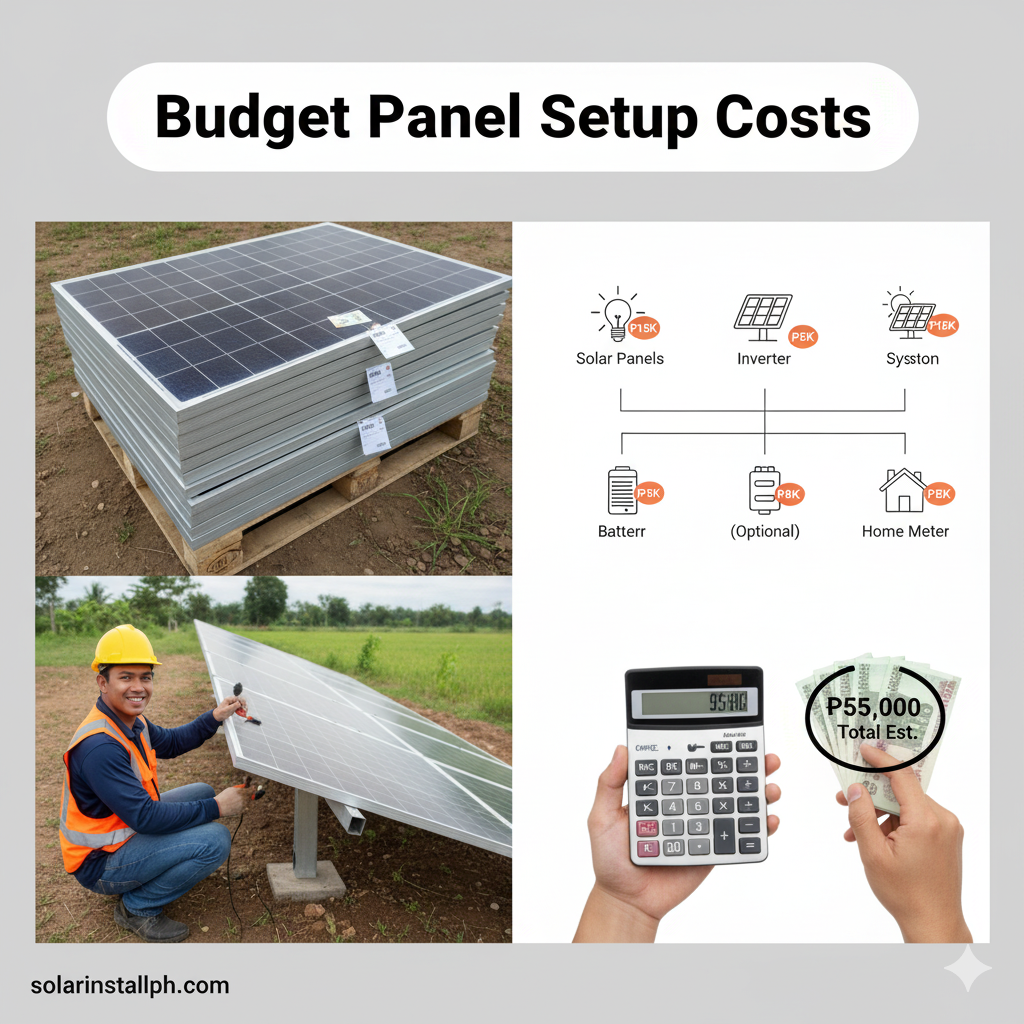
For many Filipinos, the dream of installing solar panels is often accompanied by a daunting price tag. The promise of freedom from high Meralco bills and the appeal of clean energy can seem just out of reach, overshadowed by the perception that solar is a luxury reserved for the wealthy. While a top-of-the-line system is indeed a significant investment, the good news is that going solar on a budget is not only possible but is becoming increasingly common across the Philippines.
The key to a successful budget solar installation is not about finding the absolute cheapest deal, but about understanding value. It’s about making smart, strategic choices that lower the upfront cost without compromising the safety, reliability, and long-term performance of your system. A well-planned "starter" system can provide significant monthly savings and a solid foundation for future expansion.
This guide will walk you through the real costs of an entry-level panel setup in the Philippines. We’ll explore practical strategies to keep costs down, highlight the critical components where you shouldn't cut corners, and expose the dangerous red flags of a "too-good-to-be-true" quote.
Understanding Entry-Level Solar Costs
The first step in creating a budget is to have a realistic understanding of the market. In the Philippines, the cost of a residential solar system is often discussed in "pesos per kilowatt" (₱/kW). For a quality residential setup, this typically ranges from ₱30,000 to ₱50,000 per kW. For a budget-conscious homeowner, the most affordable and effective entry point is a small grid-tie system.
Here’s what you can expect for starter packages from reputable installers:
1.5kWp to 2.0kWp Systems: This is the most popular starting point. With a price tag ranging from approximately ₱100,000 to ₱150,000, these systems are designed for households with monthly electricity bills between ₱4,000 and ₱8,000.
What It Powers: A 1.5kWp system can make a significant impact on your daytime consumption. It can typically power essential appliances like a refrigerator, lights, electric fans, a computer, and even a small 1-horsepower inverter air conditioner while the sun is shining.
The Savings: A system of this size can generate savings of around ₱1,500 to ₱2,500 per month, depending on your usage patterns and electricity rate.
These starter packages offer a tangible way to slash your electricity bill without the six-figure investment of a larger system. They provide the best "bang for your buck" and serve as a perfect introduction to the benefits of solar energy.
Strategy 1: Embrace Grid-Tied Simplicity and Right-Sizing
The single most effective strategy for a budget-friendly solar installation is to keep it simple. This means choosing a grid-tie system and sizing it strategically to match your most essential daytime needs.
Forget the Batteries (For Now): The component that inflates the cost of a solar setup more than any other is the battery bank. Off-grid or hybrid systems require expensive batteries to store energy for nighttime use or brownouts. A grid-tie system, however, uses the utility grid as a giant, virtual battery through the Net Metering program. By forgoing batteries, you can cut the cost of your initial investment by 40-60%.
Target Your Daytime Loads: The primary financial benefit of a grid-tie system is reducing your consumption of expensive grid power during the day. Don't aim for a "zero bill" with a starter system. Instead, the smart budget strategy is to size your system to offset the energy consumption of your "always-on" appliances (like the refrigerator) and your heaviest daytime loads (like air conditioning). This approach ensures that almost every kilowatt-hour your panels produce is used to directly save you money.
Right-Sizing is Cost-Sizing: The biggest mistake is oversizing. Every panel you install beyond your actual daytime needs offers diminishing returns and extends your payback period. A professional installer will perform a detailed analysis of your electricity bills to recommend a size that provides the quickest return on investment. Focusing on these solar sizing factors is the most crucial step in managing your budget.
Strategy 2: Choose Cost-Effective Components (The Smart Way)
When you're on a budget, every component choice matters. The goal is to find the sweet spot between price and quality to ensure your system performs reliably for years to come.
Monocrystalline is the New Budget King: Historically, polycrystalline panels (the ones with a bluish, marbled look) were the cheaper, budget-friendly option. However, technology has advanced rapidly. Today, monocrystalline panels (which are black) have become so cost-effective to produce that they offer superior value, even for budget systems. A local study by De La Salle University confirmed that monocrystalline panels are more efficient, perform better in the high heat of the Philippine climate, and are more cost-effective per percentage of efficiency. They are the smart choice for any new installation.
Inverter Choice: The inverter is the heart of your system. For a budget setup, a reliable string inverter from a reputable brand is the most cost-effective option. It's a proven, durable technology that costs significantly less than more complex systems using microinverters.
Panel Tiers: Solar panels are often ranked in "Tiers." Tier 1 brands are the global leaders with massive investment in R&D and automated manufacturing. While ideal, some reputable Tier 2 brands can offer excellent value for a budget system, provided they are sourced and warrantied by a trustworthy installer. A good installer will have a curated selection of reliable components that fit a budget-friendly price point. A comprehensive solar panel guide can help you understand the differences in technology.
The Red Flags: Avoiding the "Dangerously Cheap" Trap
In your search for an affordable solar setup, you will inevitably encounter quotes that seem too good to be true. They are. A "dangerously cheap" system is not a bargain; it's a liability that can lead to financial loss, property damage, and serious safety hazards. Here are the red flags to watch for:
Red Flag #1: An Unbelievably Low Price: If you receive a quote that is drastically lower than the market average (i.e., well below ₱30,000 per kW), you must ask why. The answer is almost always a combination of substandard, uncertified components (panels that will fail in a few years, low-quality inverters prone to overheating), and rushed, unprofessional labor. These systems underperform, degrade quickly, and pose a genuine fire risk.
Red Flag #2: "Off-the-Books" Installation (No Permits): A significant portion of a professional quote covers the "soft costs" of labor and paperwork. A cheap quote often gets its low price by skipping these crucial steps. They won't secure the necessary building and electrical permits from your LGU, and they won't handle the complex Meralco Net Metering application. This makes your system technically illegal, unsafe, and unable to generate savings from exported energy. It's one of the most common solar installation mistakes a homeowner can make.
Red Flag #3: Vague or Missing Warranties: Reputable installers provide a 10-25 year performance warranty on panels, a 5-10 year warranty on the inverter, and, most importantly, a 2-5 year workmanship warranty to cover any issues from the installation itself. A "fly-by-night" cheap installer will offer vague promises or disappear completely once the final payment is made, leaving you with no recourse when problems arise.
Protecting your investment—and your home—means choosing a qualified installer. Learning how to choose a solar company with a solid reputation and transparent pricing is the best defense against the dangers of a cheap setup.
Making It Happen: Financing Your Starter System
Even a budget-friendly ₱120,000 system can be a stretch for a single cash payment. Thankfully, financing options are widely available to make this investment manageable.
In-House Financing: Many top solar installers now offer their own financing plans. These are often the most convenient option, with fast approvals and plans tailored for solar buyers. They may offer low down payments and payment terms from 12 to 36 months.
Financing Companies: Companies like Home Credit have also entered the solar space, offering personal loans that can be used to purchase a solar package, making it payable in manageable monthly installments.
Bank Loans: For those with good credit, a personal or home improvement loan from a bank can offer competitive interest rates.
These solar loans in the PH make it possible to get a system installed for a monthly amortization that is often less than the electricity savings it generates, meaning you start saving from day one.
In conclusion, a solar-powered future is no longer a distant dream for the budget-conscious Filipino. By focusing on a smartly-sized grid-tie system, making informed component choices, and avoiding the trap of "dangerously cheap" offers, you can install a safe, reliable, and effective solar panel system. This starter setup will provide immediate relief on your monthly bills and serve as a proud first step on your journey to energy independence. To learn more about the entire process, consult a complete solar installation guide.